
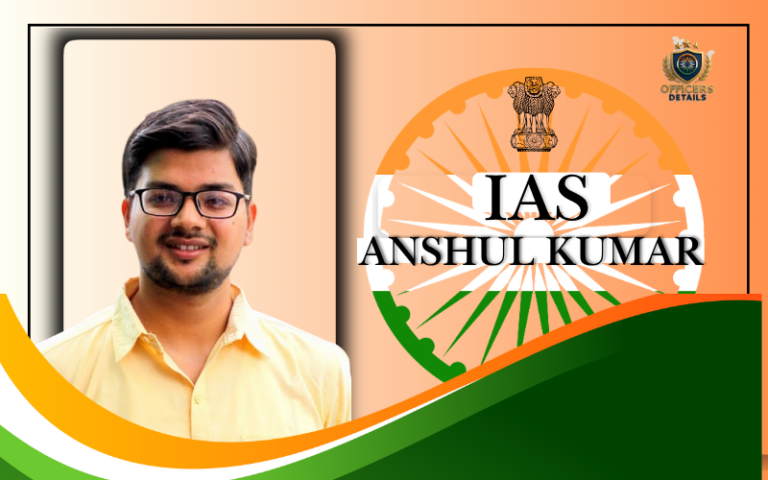
Many people dream about becoming an IAS officer because the position offers a chance to work directly for the country while handling important administrative responsibilities. officersdetails.com regularly publishes career-focused information, and understanding what an IAS officer actually does helps readers see why this service continues to attract the brightest minds every year.
The Indian Administrative Service is much more than a prestigious government job. It is a career built around leadership, decision-making, accountability, and public service. Every posting brings different challenges, and every responsibility requires careful judgment because administrative decisions often affect thousands or even millions of people.
Real Meaning Of Authority
People often connect the IAS with power, but the real meaning of authority is responsibility.
An IAS officer cannot simply make personal decisions without following laws. Every administrative action must comply with constitutional principles, government policies, service rules, and legal procedures.
Authority exists so officers can perform their duties effectively, not because they hold a prestigious designation.
That difference is extremely important.
Working For Public Welfare
Every government launches welfare programs to improve the lives of citizens.
Housing projects.
Education reforms.
Healthcare services.
Employment schemes.
Agricultural support.
Clean drinking water.
Road development.
Women’s empowerment.
Digital governance.
These programs require proper planning and continuous monitoring.
IAS officers supervise implementation and ensure public resources are used efficiently.
Leadership Inside Districts
The District Magistrate remains one of the most respected positions within the Indian Administrative Service.
As the administrative head of a district, the officer coordinates nearly every important government department.
Health officials.
Education departments.
Revenue offices.
Agriculture teams.
Disaster management authorities.
Municipal bodies.
Social welfare departments.
Engineering divisions.
Regular meetings help maintain coordination among these departments.
Decision Making Under Pressure
Administration rarely offers comfortable situations.
Unexpected challenges appear without warning.
Natural disasters may require emergency action.
Public demonstrations may demand careful coordination.
Critical infrastructure projects may need immediate administrative approval.
During these situations, IAS officers are expected to remain calm, gather facts, evaluate available options, and take lawful decisions without unnecessary delay.
Clear thinking becomes more valuable than quick reactions.
Revenue Administration Responsibilities
Revenue administration has always been one of the core responsibilities of district administration.
IAS officers supervise land records, government property, land acquisition processes, compensation matters, and several revenue-related administrative activities.
Large public projects depend upon accurate land management.
Without efficient revenue administration, infrastructure development often becomes difficult.
The responsibility continues throughout different stages of an officer’s career.
Maintaining Administrative Balance
Government departments have different priorities.
One department may focus on agriculture.
Another may concentrate on education.
Healthcare officials may require additional financial support.
Infrastructure projects may compete for available resources.
An IAS officer balances these priorities while ensuring public interest remains the highest consideration.
This balancing act requires practical judgment every day.
Supporting Law And Order
Although police departments handle law enforcement operations, IAS officers contribute significantly to maintaining public order.
The District Magistrate works closely with senior police officials during elections, festivals, emergency situations, and sensitive public events.
Administrative coordination ensures different departments function together effectively.
Preventive planning often avoids larger problems later.
Importance Of Public Meetings
Administrative work involves constant interaction with citizens.
Village representatives.
Business owners.
Teachers.
Doctors.
Farmers.
Students.
Community organizations.
Local officials.
Every discussion provides useful information about ground-level challenges.
Listening carefully often leads to better administrative decisions than relying only on written reports.
Practical governance begins with understanding people.
Monitoring Government Projects
Development work never stops.
Roads require inspection.
Schools require better facilities.
Hospitals require additional equipment.
Water supply systems require maintenance.
Public buildings require supervision.
IAS officers regularly visit project locations to review progress and identify delays before problems become more serious.
Field inspections provide valuable administrative feedback.
Technology In Administration
Government administration has become increasingly digital.
Modern IAS officers supervise online citizen services, electronic office systems, digital documentation, public grievance portals, online procurement, biometric attendance systems, and data-based monitoring platforms.
Technology improves transparency.
Citizens receive services more efficiently.
Future administrators will depend even more upon digital governance tools.
Learning never truly ends.
Disaster Response Coordination
Floods, earthquakes, cyclones, droughts, industrial accidents, and health emergencies require immediate government action.
During these situations, IAS officers coordinate rescue teams, medical departments, transportation services, food distribution, communication systems, temporary shelters, and rehabilitation activities.
Preparedness reduces confusion.
Efficient coordination protects lives.
Administrative leadership becomes most visible during emergencies.
Election Related Duties
India’s elections involve enormous planning and coordination.
IAS officers receive important responsibilities for conducting peaceful and transparent elections.
Their work includes arranging polling stations, supervising election staff, ensuring proper transportation of voting equipment, coordinating security arrangements, and managing counting centers.
Political neutrality remains essential throughout the election process.
Professional credibility depends upon fairness.
Managing Public Resources
Government resources belong to the people.
IAS officers therefore supervise public spending with great care.
Infrastructure budgets.
Healthcare funding.
Education investments.
Development grants.
Disaster relief funds.
Agricultural assistance.
Urban improvement projects.
Every financial decision follows administrative procedures designed to maintain transparency and accountability.
Responsible financial management strengthens governance.
Growth Throughout Career
An IAS officer experiences continuous professional growth.
The journey generally begins with field administration before moving toward senior leadership positions.
Assistant Collector.
Sub-Divisional Magistrate.
Additional District Magistrate.
District Magistrate.
Divisional Commissioner.
Secretary.
Principal Secretary.
Chief Secretary.
Many officers later work in the Government of India where they contribute to national policymaking.
Each promotion expands both authority and responsibility.
Professional Ethics Always
Integrity remains one of the strongest qualities expected from every IAS officer.
Administrative decisions should never be influenced by personal interests.
Honesty.
Fairness.
Transparency.
Impartiality.
Discipline.
Constitutional values.
Public accountability.
These principles guide professional conduct throughout the career.
Reputation develops through consistent ethical behavior rather than official authority.
Skills Beyond Academics
Clearing UPSC requires academic preparation, but administrative success depends upon much more.
Leadership.
Communication.
Analytical thinking.
Negotiation.
Conflict resolution.
Time management.
Emotional intelligence.
Adaptability.
Continuous learning.
These qualities become increasingly important as officers handle larger responsibilities.
Experience improves judgment over time.
Challenges Every Officer Faces
Behind the prestige lies considerable pressure.
Unexpected emergencies.
Administrative deadlines.
Public expectations.
Media attention.
Judicial compliance.
Budget reviews.
Policy implementation.
Frequent transfers.
Long working hours.
Every challenge demands patience and professionalism.
The work rarely becomes routine because public administration constantly changes.
Serving The Nation Daily
The Indian Administrative Service remains respected because its officers contribute directly to national development.
Better roads improve connectivity.
Efficient hospitals save lives.
Quality education creates opportunities.
Transparent governance builds public confidence.
Strong administration supports economic growth.
An IAS officer may not solve every problem immediately, but consistent administrative effort creates long-term improvements that benefit society for many years.
That lasting impact makes the profession one of the most meaningful public service careers in India.
Call To Action
If you want to explore more detailed guides about IAS officers, administrative services, UPSC careers, and government leadership roles, continue reading trusted educational resources and stay informed with the latest updates to strengthen your understanding of India’s civil service system.
Read also:-
ansar shaikh education qualification