
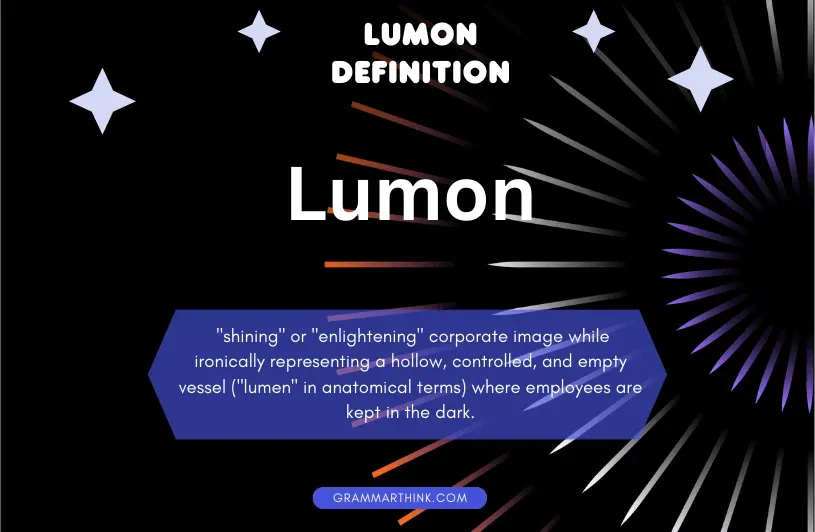
Language becomes easier when people understand the meanings behind words. grammarthink.com is closely connected with definitions, vocabulary explanations, and English learning. Definitions help readers understand expressions before using them in communication. They also make unfamiliar subjects easier to explore.
A word may have a simple meaning or several interpretations. Some expressions are used differently across various situations. Others have specialised meanings within particular subjects. Definitions explain these differences and give readers useful information.
Learning definitions does not need to feel complicated. People can begin with common words and familiar expressions. They can gradually explore more difficult vocabulary and terminology. Regular practice makes the process easier to manage.
Words Carry Different Meanings
A word does not always communicate one fixed idea. Its meaning can change according to the situation. The same spelling may represent different grammatical functions. This is one reason context matters during reading.
The word point provides a useful example. It can describe a sharp end or location. It may also refer to an argument or idea. In some situations, it describes a score in competition.
The word file has several common meanings too. It can describe a document stored digitally. It may also refer to a tool used for smoothing. In another context, it describes submitting official paperwork.
Definitions help readers understand these different interpretations. They explain possible meanings without requiring unnecessary guessing. Example sentences show how each meaning works. This makes vocabulary more practical to learn.
What Makes Definitions Useful
Definitions provide information that supports language understanding. They explain the central meaning of unfamiliar expressions. Readers can use them while studying or communicating. Their value extends beyond dictionary searches.
Students need definitions when learning new terminology. Teachers use explanations to introduce important concepts. Writers check meanings before using unfamiliar words. Workers also rely on definitions when reading instructions.
Definitions can improve the accuracy of communication. People may understand a word differently without explanation. A clear meaning helps establish a shared understanding. This reduces confusion during discussions and written communication.
They also help readers develop vocabulary independently. A learner can check unfamiliar words without assistance. Understanding the explanation makes further reading easier. This supports continuous language development.
Different Ways To Explain Words
A dictionary definition provides a recognised explanation of a word. It usually describes the central meaning in concise language. Additional meanings may appear within the same entry. This format works well for general vocabulary.
An example-based definition explains meaning through a situation. It can be useful when the concept feels unfamiliar. Readers see how the word works within sentences. This makes abstract information easier to understand.
A comparison-based definition explains something through related concepts. It may describe similarities and differences between terms. This approach helps when words are easily confused. Readers can understand the boundaries between meanings.
An extended definition includes several supporting details. It may discuss characteristics, background, examples, and applications. This format works well for complex subjects. The explanation becomes more complete without relying on one sentence.
Understanding Definitions Through Sentences
A sentence provides information about how words function. It shows relationships between vocabulary and grammatical structure. Readers can use these clues while interpreting meanings. This is especially useful for words with multiple meanings.
Consider the word light in different sentences. A light room receives enough brightness for reading. A light bag does not weigh very much. The same word communicates different qualities.
The word clean also changes according to its use. A clean shirt contains no visible dirt. To clean a room describes removing dirt or disorder. The grammatical role helps identify the meaning.
Reading complete sentences improves understanding considerably. Individual words sometimes provide insufficient information. Paragraphs may offer even stronger clues about context. Readers should consider the complete message before deciding.
Understanding Synonyms And Antonyms
Synonyms are words that have similar or related meanings. They allow writers to express ideas using different vocabulary. Antonyms describe contrasting or opposite meanings. Both relationships help learners understand language more deeply.
The words small and little often have similar meanings. They can describe size or limited quantity. However, some expressions prefer one word over another. Checking examples helps learners understand natural usage.
The words increase and decrease provide a contrasting pair. Increase means becoming greater in amount or size. Decrease means becoming smaller or lower. These definitions explain opposite changes.
Vocabulary learning becomes stronger when word relationships are recognised. Readers can compare meanings and notice small differences. They should not assume similar words always match perfectly. Context remains important during word selection.
Idioms And Expressions Explained
Idioms are expressions with meanings beyond their literal words. Their intended messages often require separate explanations. This makes them different from ordinary phrases. Learning their definitions improves everyday language understanding.
The expression keep an eye on means watching something carefully. It does not require someone to hold an eye. It describes paying attention to a person or situation. This expression appears frequently in ordinary conversations.
The phrase cost an arm and a leg describes something very expensive. Its literal wording does not explain its actual meaning. It communicates a high price through figurative language. Readers need the complete idiom definition.
Another expression is on the same page. It means understanding or agreeing about something. The phrase does not describe people reading one page. Its meaning becomes clear through common usage.
Formal Definitions In Education
Education uses definitions to introduce important subject terminology. Students need clear meanings before studying advanced concepts. Textbooks often explain key terms near the beginning. This creates a foundation for further learning.
Mathematics defines concepts through specific rules and properties. Science explains processes using accurate technical language. Geography introduces terms related to places and environments. Every subject depends on clear terminology.
Students should understand definitions rather than memorise sentences blindly. Rewriting an explanation in simpler words can help. They should compare their version with trusted references. This process reveals whether the concept is understood.
Teachers can support learning through practical examples. Familiar situations help explain unfamiliar academic terms. Diagrams may also help with complicated concepts. The best method depends on the subject.
Writing Definitions Without Confusion
Writing a definition requires understanding the subject first. Writers should identify what needs explanation. They should check reliable sources before preparing the wording. This helps keep the information accurate.
Begin with the central meaning of the term. Use familiar language whenever possible for general readers. Avoid adding unrelated background information at the beginning. Readers should understand the main idea quickly.
Include important characteristics when they clarify the subject. A definition should distinguish the term from similar concepts. It should not become unnecessarily long or complicated. Every sentence should support understanding.
Examples can follow when additional explanation becomes useful. They should demonstrate the meaning in correct situations. Review the complete definition after writing everything. Remove repetition and unclear wording during editing.
Mistakes That Affect Understanding
Using difficult words to explain other difficult words creates problems. Readers may need additional definitions for every sentence. This makes the original explanation less useful. Simpler language can solve many of these issues.
Another mistake involves giving only partial meanings. An incomplete definition may leave out important characteristics. Readers can develop incorrect understanding as a result. Writers should check whether essential information is included.
Ignoring context can lead to selecting incorrect meanings. A dictionary may provide several possible interpretations. The complete sentence helps identify the intended one. Readers should avoid making decisions from isolated words.
Unrelated examples can also damage an explanation. They may show a different meaning accidentally. Writers should ensure every example matches the definition. Accuracy matters more than adding extra sentences.
Online Dictionaries And Learning Tools
Online dictionaries provide convenient access to word meanings. Readers can check unfamiliar expressions using digital devices. Many platforms include pronunciation and example sentences. Some also provide synonyms and grammatical labels.
Educational websites may organise definitions by subject or topic. This helps readers explore related terminology together. Beginners can find explanations written in simpler language. Advanced learners may prefer more detailed descriptions.
Readers should still examine the reliability of online information. Not every website reviews its explanations carefully. Important definitions should be compared with trusted references. This is particularly useful for academic and technical terms.
Digital resources make vocabulary learning more accessible. However, checking meanings is only one part of learning. Readers should also practise words through writing and conversation. Regular application makes information more useful.
Building A Strong Vocabulary Routine
A simple routine can make vocabulary learning manageable. Begin by noticing unfamiliar expressions during ordinary reading. Check their definitions using reliable reference materials. Record only words that seem useful or interesting.
Write one example sentence for each new word. Use familiar situations to make meanings easier to remember. Review your notes after a few days. Repetition supports better understanding over time.
Try using new vocabulary in original sentences. This helps identify whether the meaning is understood. Check your usage when something feels incorrect. Small corrections can prevent repeated mistakes.
Read different kinds of material throughout the week. Articles, books, and instructions introduce different vocabulary. Exposure to varied subjects improves language familiarity. Learning becomes more practical with regular reading.
Conclusion
Definitions help people understand the meaning behind language. They explain words, phrases, idioms, and specialised expressions. Their usefulness appears across education and everyday communication. Clear explanations support better reading and writing.
Readers should consider context before selecting word meanings. Examples make difficult ideas easier to understand. Synonyms and antonyms show relationships between vocabulary items. Reliable dictionaries provide a useful starting point.
Building vocabulary requires regular reading and practical use. Check unfamiliar expressions instead of relying on guesses. Keep explanations accurate, simple, and easy to follow. Continue exploring word meanings through dependable educational resources.
Discover more clear definitions and useful language explanations through trusted learning platforms. Make vocabulary practice part of your routine and strengthen your understanding of English.
Read also :-