
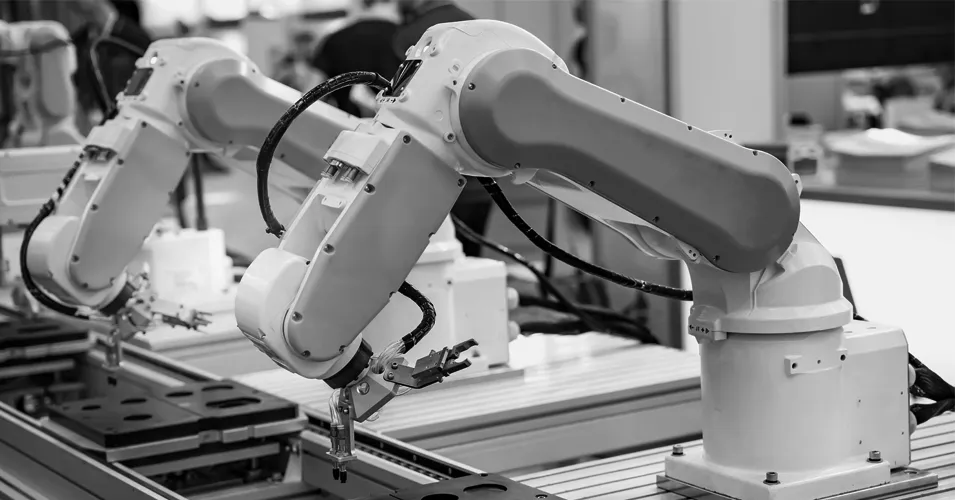
Robotics automation system is transforming industries across the globe, redefining how businesses operate and how people interact with technology. From manufacturing plants to healthcare facilities, robotics is no longer a futuristic concept—it’s a practical solution that improves efficiency, accuracy, and safety. Imagine a factory where robots assemble products flawlessly or a hospital where robotic systems assist in surgeries. These scenarios highlight how automation is becoming a cornerstone of modern life.
Why Robotics Automation System Matters
Efficiency and precision are critical in today’s competitive world. Robotics automation system matters because it reduces human error, speeds up processes, and lowers operational costs. For example, a textile company in Jaipur implemented robotic arms for packaging. The result was faster production, fewer mistakes, and happier customers. This shows how robotics directly impacts profitability and customer satisfaction.
The Rise of Smart Automation
Technology has evolved rapidly, and robotics automation system fits perfectly into this evolution. Modern systems integrate artificial intelligence, machine learning, and IoT connectivity. They don’t just perform repetitive tasks—they learn, adapt, and optimize processes. This evolution reflects the growing demand for intelligent solutions that balance productivity with sustainability.
Key Features of Robotics Automation System
Precision and Accuracy
The robotics automation system ensures consistent quality by eliminating human error in repetitive tasks.
Scalability
Systems can be scaled to meet growing demands, making them suitable for both small businesses and large enterprises.
Safety Enhancements
Robots handle hazardous tasks, reducing risks for human workers and improving workplace safety.
Integration with AI
Smart systems analyze data, predict outcomes, and adjust operations in real-time, boosting efficiency.
Real-Life Examples of Robotics Success
Consider Ramesh, a corporate employee in Bengaluru. His company adopted a robotics automation system for warehouse management. Robots sorted and delivered packages faster than manual labor, reducing delays. Similarly, Priya in Delhi experienced improved healthcare services when robotic systems assisted doctors during surgeries. These stories highlight how robotics enhances everyday operations across industries.
Benefits Beyond Automation
While automation is the core function, robotics automation system offers more. It improves sustainability by reducing waste, enhances productivity by optimizing workflows, and supports innovation by enabling new business models. For manufacturers, robotics ensures consistent output. For service providers, it delivers reliability and customer trust.
How to Choose the Right Robotics Automation System
When selecting a system, consider factors like industry requirements, scalability, and integration capabilities. Some systems focus on manufacturing, while others specialize in healthcare or logistics. By aligning with robotics automation system, businesses can ensure they invest in technology that balances efficiency, safety, and long-term value.
The Future of Robotics Automation System
Innovation continues to shape this field. AI-driven robots are emerging, capable of self-learning and adapting to dynamic environments. Integration with connected ecosystems may allow robots to collaborate seamlessly with humans and other machines. As technology evolves, robotics automation system will remain a cornerstone of modern industry, blending refinement with futuristic capabilities.
Storytelling Angle: A Day in the Life with Robotics
Picture starting your morning at a factory. Last week, your company installed a robotics automation system, and today you see robots assembling products with precision. The system monitors quality, adjusts workflows, and ensures deadlines are met. Later, during a busy day, the peace of mind from automation makes operations smoother. This seamless experience reflects how robotics transforms everyday work into a smarter, safer journey.
Read also :-