
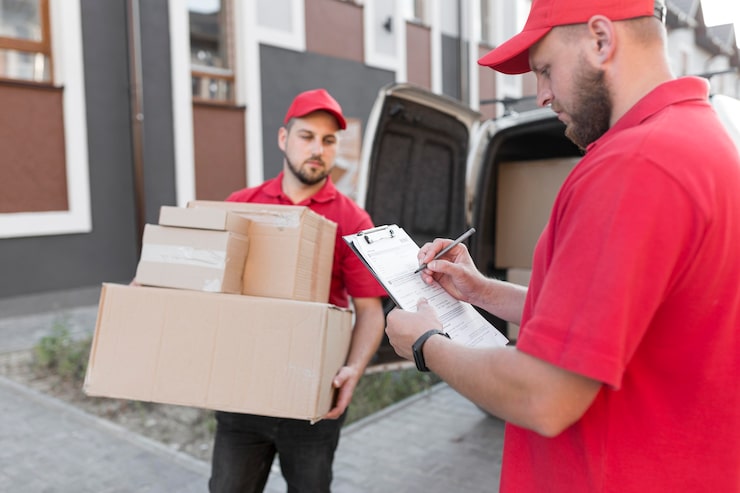
Last mile courier delivery has quietly become the most important stage of modern logistics, even though it covers the shortest distance. It is the final handoff between a business and its customer, where expectations meet reality and brand promises are either fulfilled or broken.
In today’s on-demand economy, customers no longer judge a brand only by product quality. They remember how fast, smooth, and predictable the delivery experience felt. This final stretch of delivery now defines trust, loyalty, and long-term growth for businesses of every size.
Why the Last Mile Matters More Than Any Other Stage
The last mile may represent only a small portion of the delivery journey, but it often accounts for the highest cost and greatest complexity. Urban congestion, missed delivery attempts, and customer availability all create challenges that earlier stages do not face.
When businesses master this phase, they gain a competitive edge. When they struggle, even the best products can receive poor reviews and lost customers.
The Human Expectation Behind Every Delivery
Customers do not think in terms of logistics stages. They think in moments. A delayed package before an important event, a missed delivery while working from home, or unclear tracking updates all leave emotional impressions.
A reliable last mile experience respects the customer’s time. It acknowledges that delivery is not just a transaction but a personal interaction with real expectations.
Last mile courier delivery as the Backbone of E-Commerce Growth
Last mile courier delivery has become inseparable from the success of e-commerce platforms. Online shopping has trained customers to expect fast shipping, accurate tracking, and convenient delivery windows.
Retailers that invest in efficient last mile solutions often see higher conversion rates and repeat purchases. The delivery promise becomes part of the brand identity, not just a logistics detail.
A Real-World Example of Last Mile Impact
Imagine a local electronics store that expanded online. Initially, deliveries were handled through generic shipping partners, leading to delays and missed slots. Customers complained, returns increased, and ratings dropped.
After switching to a dedicated local last mile courier service, deliveries became faster and more predictable. Customers appreciated the reliability, reviews improved, and sales stabilized. Nothing changed about the products. Everything changed about the delivery experience.
Cost Challenges in the Final Delivery Stage
The last mile is often the most expensive part of shipping. Fuel costs, labor, and failed delivery attempts can quickly add up. Unlike long-haul transport, these costs are harder to scale efficiently.
Smart courier services manage this by optimizing routes, consolidating deliveries, and using local knowledge to reduce wasted time and distance.
Technology’s Role in Last Mile Efficiency
Advanced tracking systems, real-time communication, and route optimization software have transformed last mile logistics. These tools help couriers adapt to traffic, weather, and customer availability.
Customers benefit from live updates and delivery windows, while businesses gain operational efficiency and reduced costs.
Last mile courier delivery and the Rise of Same-Day Expectations
Last mile courier delivery now plays a central role in same-day and next-day shipping models. What once felt like a premium service has become an expectation in many urban markets.
Meeting these expectations requires coordination between warehouses, dispatch teams, and couriers. Precision matters more than speed alone.
Urban vs Suburban Delivery Realities
Urban deliveries face congestion, limited parking, and strict building access rules. Suburban deliveries often involve longer distances and fewer drop points per route.
Effective courier services adapt their strategies based on location, ensuring efficiency without sacrificing service quality.
Local Expertise as a Competitive Advantage
Couriers with deep local knowledge navigate neighborhoods more efficiently. They understand peak traffic hours, building layouts, and customer preferences.
This familiarity reduces delays and failed attempts, making the service feel smoother and more reliable from the customer’s perspective.
Sustainability in Last Mile Operations
Environmental concerns are reshaping last mile logistics. Electric vehicles, bicycles, and optimized routes help reduce emissions and operating costs.
Sustainable practices also resonate with environmentally conscious customers, adding intangible value to the delivery experience.
Trust and Security at the Customer’s Doorstep
The final delivery moment requires trust. Customers want assurance that their packages are handled carefully and delivered safely.
Professional couriers, clear identification, and secure handoff processes build confidence and reduce disputes or claims.
The Role of Communication in Delivery Satisfaction
Clear communication often matters as much as speed. Customers appreciate accurate delivery windows, real-time updates, and easy ways to reschedule.
Transparent communication reduces anxiety and prevents negative experiences, even when minor delays occur.
Last mile courier delivery for Small and Medium Businesses
Last mile courier delivery is no longer exclusive to large enterprises. Small and medium businesses now rely on flexible courier partners to compete with larger brands.
Affordable, reliable last mile solutions allow smaller businesses to offer professional delivery experiences without massive infrastructure investments.
Managing Failed Delivery Attempts
Failed deliveries are costly and frustrating for both customers and couriers. Common causes include incorrect addresses, unavailable recipients, or unclear instructions.
Reducing failures requires accurate data, proactive communication, and adaptive delivery strategies.
The Emotional Side of Delivery Timing
Timing influences how customers perceive value. A package delivered earlier than expected often delights, while a late delivery disappoints regardless of the reason.
Understanding this emotional aspect helps businesses prioritize reliability over unrealistic speed promises.
Data-Driven Improvements in Last Mile Performance
Data analytics helps courier services identify bottlenecks, peak demand periods, and recurring issues. These insights drive continuous improvement.
Businesses that analyze delivery performance can refine their strategies and maintain consistent service quality.
Scaling Last Mile Solutions Without Losing Control
As order volumes grow, last mile complexity increases. Scalable courier networks allow businesses to expand while maintaining service standards.
Flexibility in capacity management ensures that growth does not compromise delivery reliability.
Customer Feedback as a Quality Indicator
Delivery feedback offers valuable insights into performance. Comments about timing, professionalism, and communication reveal areas for improvement.
Listening to customers helps courier services refine their approach and strengthen trust.
Last mile courier delivery as a Brand Touchpoint
Last mile courier delivery is often the only physical interaction customers have with an online brand. This moment shapes perception more than marketing messages.
A courteous courier, timely arrival, and smooth handoff reinforce positive brand associations.
Risk Management in Final Delivery
Loss, damage, or disputes during the last mile can be costly. Strong protocols, trained staff, and accountability systems reduce risk.
Preventing issues protects both customer satisfaction and business reputation.
The Future of Last Mile Logistics
Automation, AI-driven routing, and micro-fulfillment centers are shaping the future of last mile delivery. These innovations aim to reduce costs while improving speed and accuracy.
As technology advances, businesses that adapt early will gain a strategic advantage.
Experience, Expertise, and Trust in Courier Partnerships
Choosing the right courier partner requires evaluating experience, operational expertise, and reliability. A trusted partner becomes an extension of the business.
Strong partnerships lead to consistent service and long-term success.
Meeting Expectations Without Overpromising
Setting realistic delivery expectations builds trust. Overpromising speed often leads to disappointment, even when delays are unavoidable.
Honest timelines and dependable execution create stronger customer relationships.
Local Communities and Delivery Networks
Last mile couriers often operate within local communities. Familiarity with residents, businesses, and routes enhances efficiency and accountability.
Community-based delivery networks create a more personal and dependable experience.
Read also:
zapvi tracking
mark express tracking
emtts track
dex courier tracking
mark express pvt ltd courier tracking
pfl bd tracking