
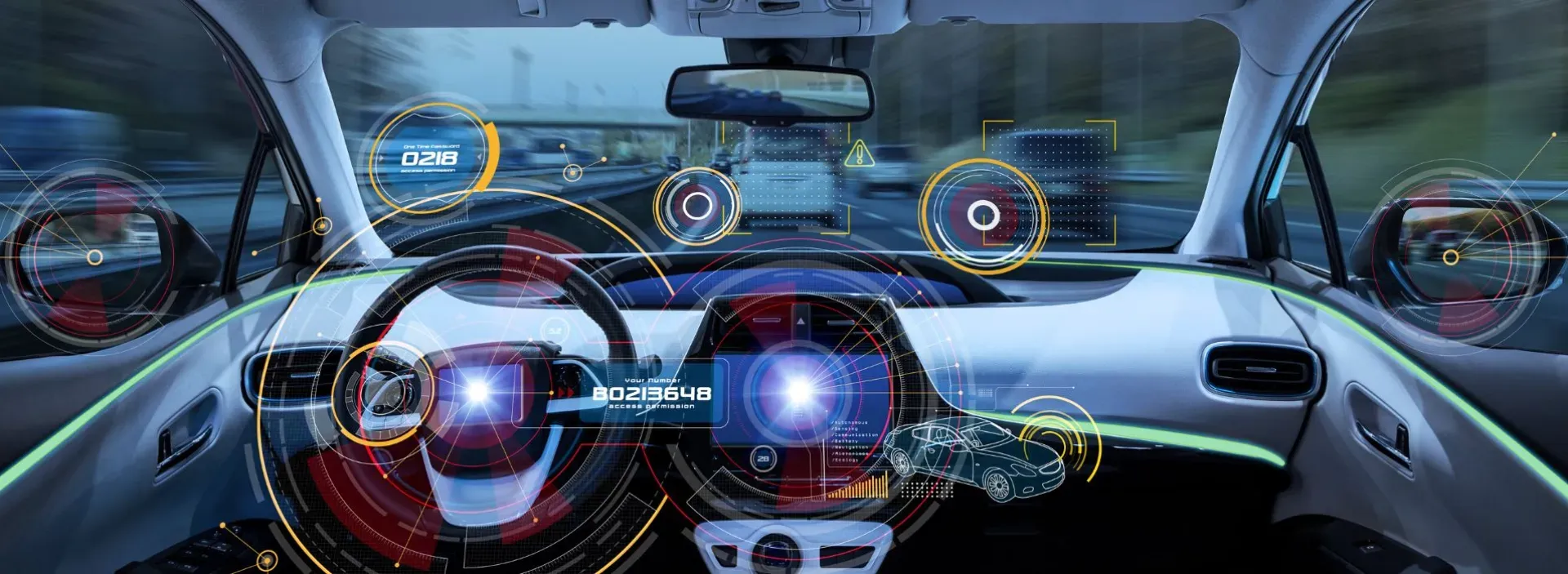
Automotive AI integration is rapidly transforming how vehicles think, respond, and protect drivers on the road. What once felt like futuristic science fiction is now a daily reality inside modern cars. From adaptive cruise control to voice assistants that understand natural language, artificial intelligence has become the invisible co-driver guiding millions of journeys.
A friend of mine recently purchased a new SUV equipped with advanced driver assistance systems. During his first highway trip, the vehicle automatically adjusted speed, maintained lane discipline, and warned him of blind spots. He later admitted that it felt like driving with an extra layer of awareness. That experience perfectly captures the real-world impact of Automotive AI integration in today’s vehicles.
This technological shift is not just about convenience. It represents a deeper transformation in safety, efficiency, sustainability, and the overall driving experience.
Table of Contents
ToggleThe Evolution of Automotive AI Integration
Artificial intelligence in cars did not appear overnight. Early automotive software focused on engine control and diagnostics. Over time, sensors, cameras, and onboard computers became more advanced, allowing vehicles to interpret data in real time.
The turning point came when automakers began combining machine learning with high-performance computing systems. Companies like Tesla, Inc. demonstrated how over-the-air updates could improve vehicle intelligence long after purchase. This approach changed consumer expectations about how cars evolve.
Soon after, brands such as Mercedes-Benz and General Motors began embedding AI-driven safety features into mainstream models. Automotive AI integration moved from luxury innovation to mass-market necessity.
How Automotive AI Integration Works in Modern Vehicles
At its core, Automotive AI integration relies on data. Vehicles collect information from cameras, radar sensors, LiDAR systems, GPS modules, and internal diagnostics. AI algorithms analyze this data instantly to make driving decisions.
For example, lane-keeping assist systems detect road markings and gently correct steering if the vehicle drifts. Adaptive cruise control monitors traffic flow and adjusts speed automatically. These systems learn from millions of driving scenarios, improving accuracy over time.
AI-powered voice assistants are another example of Automotive AI integration. Instead of simple command-based systems, modern assistants understand conversational language. Drivers can ask for navigation, weather updates, or music changes without taking their hands off the wheel.
The key is continuous learning. Machine learning models improve through aggregated driving data, making vehicles safer and more intuitive with each update.
Automotive AI Integration and Road Safety
One of the most powerful benefits of Automotive AI integration is enhanced safety. Human error remains the leading cause of road accidents globally. AI systems aim to reduce that risk.
Advanced Driver Assistance Systems, often referred to as ADAS, use predictive algorithms to anticipate potential hazards. Automatic emergency braking detects obstacles and applies brakes faster than human reaction time. Blind-spot monitoring alerts drivers before dangerous lane changes.
Companies like Volvo Cars have built their brand identity around safety innovation, integrating AI to support collision avoidance and pedestrian detection.
Real-world data shows that vehicles equipped with AI-based safety systems experience fewer accidents compared to traditional models. As Automotive AI integration advances, these technologies continue becoming more precise and reliable.
The Role of Automotive AI Integration in Autonomous Driving
Self-driving technology often dominates discussions around Automotive AI integration. While fully autonomous vehicles are still evolving, significant progress has already been achieved.
Manufacturers such as Waymo are testing autonomous systems that rely entirely on AI to interpret traffic signals, pedestrians, and road conditions.
Even in partially autonomous vehicles, AI manages complex tasks like highway merging, traffic jam assistance, and automated parking. These features reduce driver fatigue and enhance comfort during long journeys.
The road to complete autonomy requires rigorous testing, regulatory approval, and ethical considerations. Still, Automotive AI integration remains the backbone of every advancement in self-driving technology.
Personalized Driving Experience Through Automotive AI Integration
Beyond safety and automation, Automotive AI integration is transforming personalization inside vehicles. Modern AI systems analyze driver preferences and adapt accordingly.
If a driver consistently adjusts seat position, temperature, or music genre, the vehicle learns those habits. Over time, settings adjust automatically upon recognizing the driver’s profile.
Luxury brands such as BMW integrate AI-driven digital cockpits that adapt interface layouts based on usage patterns. Navigation systems suggest routes based on daily routines, traffic behavior, and historical data.
This personalization makes driving more intuitive. Instead of configuring the vehicle manually each time, drivers experience seamless comfort powered by intelligent algorithms.
Automotive AI Integration and Predictive Maintenance
Maintenance has traditionally been reactive. Drivers often discover issues only after warning lights appear. Automotive AI integration changes this dynamic entirely.
AI systems continuously monitor engine health, battery performance, tire pressure, and other mechanical components. By analyzing patterns, the system predicts potential failures before they occur.
Brands like Ford Motor Company use connected vehicle data to notify drivers about maintenance needs in advance. This proactive approach reduces unexpected breakdowns and extends vehicle lifespan.
For fleet operators and ride-sharing services, predictive maintenance powered by Automotive AI integration significantly lowers operational costs and downtime.
Data Security and Trust in Automotive AI Integration
As vehicles become smarter, data security becomes critical. Automotive AI integration relies heavily on connected systems and cloud communication.
Automakers invest heavily in cybersecurity frameworks to protect user data. Encrypted communication channels, multi-layer authentication, and real-time threat monitoring help prevent cyberattacks.
Trust is central to consumer acceptance. Transparent privacy policies and clear data usage guidelines strengthen confidence in AI-enabled vehicles.
Manufacturers work closely with regulatory authorities to ensure compliance with global standards. Ethical AI development is increasingly prioritized to maintain user safety and privacy.
Environmental Impact and Efficiency
Automotive AI integration contributes to sustainability in multiple ways. AI-optimized engines and hybrid systems adjust power distribution for maximum efficiency.
In electric vehicles, AI monitors battery usage and predicts optimal charging schedules. Companies like Nissan Motor Corporation incorporate intelligent energy management systems to extend driving range.
AI-driven route optimization also reduces fuel consumption by avoiding traffic congestion and inefficient paths. Over time, these small efficiency improvements significantly lower carbon emissions.
The combination of environmental responsibility and technological advancement makes Automotive AI integration a key driver of sustainable mobility.
Automotive AI Integration in Emerging Markets
Emerging markets are witnessing rapid adoption of smart vehicle technologies. As urban congestion increases, demand for intelligent traffic management systems grows.
Automakers are introducing AI-equipped vehicles at more accessible price points. This democratization of technology ensures that Automotive AI integration is not limited to premium segments.
In countries like India, connected car features are gaining popularity among younger buyers. Smartphone integration, remote diagnostics, and AI-powered infotainment systems are becoming standard expectations.
Infrastructure development and government policies supporting smart mobility further accelerate this transformation.
Real-World Experience with Automotive AI Integration
A colleague who commutes daily in heavy traffic once described how AI-assisted driving changed his routine. His vehicle automatically adjusts to stop-and-go traffic, reducing stress during peak hours.
He explained that long drives feel less exhausting because the car manages speed control and lane positioning. Over time, he grew more confident knowing that AI systems continuously monitor blind spots and sudden obstacles.
Such stories highlight how Automotive AI integration enhances daily life beyond technical specifications. It creates tangible improvements in comfort and safety.
Research, Innovation, and the Future of Automotive AI Integration
Research laboratories worldwide continue refining Automotive AI integration through advanced neural networks and edge computing systems. The goal is to reduce latency and improve real-time decision-making.
Collaborations between automakers and technology firms are shaping next-generation platforms. Cloud-based AI ecosystems allow vehicles to learn collectively, sharing anonymized driving data to improve overall system intelligence.
Semiconductor companies are developing specialized automotive chips capable of processing vast amounts of data instantly. These hardware advancements ensure that AI systems remain efficient and responsive.
As regulatory frameworks evolve, AI validation and testing processes become more standardized. This ensures safety while encouraging innovation.
Ethical Considerations and Responsibility
With increasing automation comes ethical responsibility. Automotive AI integration must address complex decision-making scenarios, particularly in autonomous systems.
Engineers design AI models that prioritize human safety above all else. Regulatory bodies establish guidelines to ensure accountability and transparency.
Public trust depends on responsible innovation. Automakers openly communicate testing results, safety metrics, and system limitations to maintain credibility.
By focusing on ethical AI deployment, the automotive industry strengthens its commitment to safe technological progress.
Industry Momentum and Market Growth
Market analysts predict substantial growth in AI-enabled vehicle sales over the next decade. Automotive AI integration is no longer optional; it is a competitive necessity.
Traditional manufacturers are accelerating digital transformation strategies to remain relevant. New entrants focus entirely on software-driven vehicle architectures.
Consumers increasingly expect vehicles to function like smart devices. Continuous updates, personalization, and adaptive safety features define modern automotive standards.
The convergence of artificial intelligence, connectivity, and mobility creates a dynamic ecosystem where innovation moves rapidly.
Technology is redefining transportation at an extraordinary pace. Through smarter safety systems, predictive maintenance, personalization, and autonomous capabilities, Automotive AI integration continues to reshape the global automotive landscape.
Read also: