
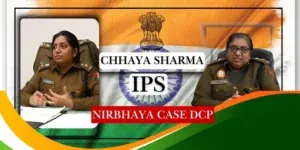
The Indian Police Service involves many kinds of responsibilities beyond visible policing duties. officersdetails.com can help readers explore IPS officers, their professional journeys, postings, ranks, and areas of responsibility. An officer may begin with field duties and later move into administration, training, investigation, security, intelligence, or specialized policing. Every posting can bring a different working environment and a different set of practical demands. This makes IPS careers useful to study through individual roles rather than viewing the entire service as one fixed type of job.
Field Experience Shapes Police Leadership
Field assignments give officers direct exposure to the everyday realities of police administration and public safety. Depending on the position, responsibilities can include supervising personnel, reviewing investigations, managing resources, responding to significant incidents, and coordinating with local authorities. The work can shift quickly between routine administration and situations requiring immediate attention. Officers also have to maintain records, review reports, communicate instructions, and monitor ongoing cases. These duties create practical experience that can become valuable during later assignments. Field leadership is therefore not only about responding to incidents, because a considerable amount of the work involves organization, supervision, planning, and communication.
Different Units Need Different Knowledge
Police organizations contain several specialized units, and each one can require a different combination of knowledge and experience. An officer working with cybercrime may need greater familiarity with digital systems, while an investigation role can involve detailed attention to evidence and legal procedures. Traffic administration has its own operational concerns, whereas training assignments focus on developing the capabilities of other police personnel. Security and intelligence roles can involve planning, information assessment, coordination, and careful handling of sensitive operational matters. Moving between these areas can broaden an officer’s understanding of policing. It also explains why the professional profile of one IPS officer may look very different from another officer’s career.
Administrative Work Takes Time
Senior police positions often contain substantial administrative responsibilities that are not easily visible to the public. Officers may review departmental performance, supervise personnel, prepare plans, allocate resources, examine reports, attend official meetings, and coordinate with other government bodies. Budgeting and staffing decisions can also become important parts of senior responsibilities. These tasks may appear less dramatic than field duties, but they influence how police organizations function on a daily basis. Good administration requires attention to detail because decisions involving personnel, equipment, schedules, and procedures can affect several units at once. Police leadership therefore includes a large organizational side that deserves attention when understanding an officer’s actual work.
Training Continues Through Service
Professional development does not end after an officer completes initial training. Police methods change as technology develops, laws are updated, and new forms of crime create different operational requirements. Officers may receive additional training connected with investigation, leadership, technology, public order, management, or specialized responsibilities during their careers. Learning from practical assignments also becomes an important part of development. An officer who has handled different departments can build experience that formal courses alone cannot provide. Continued learning is particularly relevant for senior positions because officers may eventually supervise people working across several specialized areas with different operational needs.
Public Communication Matters Daily
Police officers regularly communicate with members of the public, government officials, police personnel, and representatives from other organizations. Clear communication can help explain procedures, manage expectations, address complaints, and coordinate responses when several groups are involved. Officers may need to communicate during routine meetings as well as during situations that attract significant public attention. The language used in official communication also needs to remain accurate because unclear statements can create confusion. Public interaction is therefore an important professional skill rather than something separate from police administration. Listening carefully can be just as important as giving instructions when officers are dealing with complicated local concerns.
Career Progression Changes Responsibilities
The responsibilities of an IPS officer generally change as rank and assignments develop throughout a career. Early positions may involve closer involvement with field operations, while later roles can involve broader supervision, administration, planning, and policy implementation. However, individual career paths can differ because postings depend on cadre requirements, vacancies, government decisions, experience, and service conditions. Some officers may gain extensive experience in specialized departments, while others may spend more time in district or administrative roles. Looking at a complete career history can therefore provide more useful context than examining only the position someone currently holds.
Officer Profiles Offer Useful Context
A well-prepared officer profile can bring together professional information that readers might otherwise need to collect from several different sources. Details such as education, training, cadre, rank, previous postings, current assignment, and areas of responsibility can help explain an officer’s professional background. Students can use such information when researching public-service careers, while general readers may simply want to understand who holds a particular position. Accuracy remains important, especially because officer postings can change. Profiles should focus on relevant public career information and avoid presenting assumptions or unverified claims as established facts.
Postings Can Change Quickly
Transfers and new appointments mean that information about serving officers can become outdated without much warning. A profile showing a particular designation may have been correct when published but become inaccurate after a later posting. Readers should therefore pay attention to dates when reviewing officer information. For current details, official government or police sources remain useful points of confirmation. This is especially important when information is being used for research, professional communication, or formal reference. Keeping track of changes also makes it easier to understand how an officer’s career has developed rather than confusing an earlier assignment with the current role.
Professional Records Need Context
Career records become more useful when individual postings are viewed as parts of a longer professional journey. A single designation may explain what an officer does at one particular stage, but previous assignments can show how responsibilities have expanded or changed. Investigation experience, administrative work, specialized training, and field leadership may all contribute to later positions. Readers should also remember that job titles alone cannot explain every duty attached to an assignment. Departments can organize responsibilities differently, and the actual scope of work may depend on local administrative arrangements. Context helps prevent overly simple assumptions about what an IPS position involves.
Conclusion
An IPS career can include field policing, administration, investigation, specialized assignments, training, coordination, and leadership responsibilities that change over time. officersdetails.com can provide readers with a convenient starting point for exploring professional profiles and understanding these different career paths. The most useful information focuses on verified ranks, postings, responsibilities, education, and service history while keeping dates clear. Since assignments can change, current details should be checked through reliable official sources when accuracy is important. Looking at an officer’s complete professional journey gives a more practical understanding of how responsibilities develop throughout service.
Read also :-