
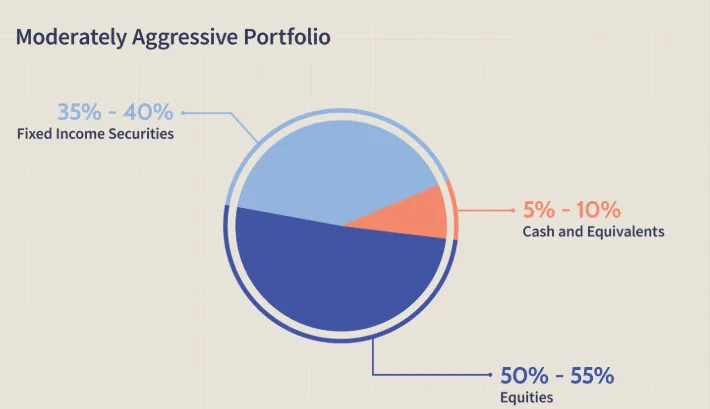
Experienced investors rarely place all their money in one idea. They know that every asset can disappoint at some point, and that spreading risk is one of the few reliable defences available. Stocks, bonds, and digital assets each behave differently, which means combining them thoughtfully can smooth the ride. A well-planned investment portfolio is built on purpose, not by accident. This article explains how seasoned investors think about diversification, what role each asset class plays, and how to decide how much of your money belongs in each.
Why Diversification Matters
Diversification means holding assets that do not all rise and fall together. When one part of your holdings suffers, another may remain stable or even gain, reducing the damage to your total. It does not prevent losses, and it rarely produces the highest possible return in any single year. Its value lies in resilience, helping you stay invested through difficult periods. Many investors learn its importance only after concentrating too heavily in a single company, sector, or trend that eventually fell. Balance, not excitement, protects long-term results.
The Role of Stocks
Shares represent ownership in companies and have historically offered higher long-term growth than most other asset classes. They also bring volatility, with sharp declines occurring regularly. Seasoned investors often prefer broad funds covering many companies and regions, instead of relying on a handful of favourites. This spreads company-specific risk and reduces dependence on any single outcome. Stocks typically form the growth engine of a long-term plan, particularly for investors with many years before they need to withdraw money. Quality and breadth matter more than any single pick or forecast.
The Role of Bonds
Bonds are loans to governments or companies that pay regular interest and return the original amount at maturity. They generally fluctuate less than shares and can provide income and stability. High-quality government bonds often hold up better when stock markets fall, though this is not guaranteed, especially when interest rates rise quickly. Bonds also carry risks, including inflation and the possibility that issuers fail to repay. Investors approaching major spending goals often increase their bond allocation to protect what they have built. Match maturity to your own timeline.
The Role of Digital Assets
Digital assets are the newest and most volatile addition. Bitcoin trading and other cryptocurrency activity can produce dramatic gains, but also severe losses within short periods. Cautious investors treat this category as a small, speculative slice rather than a foundation. A common approach is to limit exposure to an amount they could lose without altering their lifestyle or goals. Regulation, security, and valuation remain uncertain, so anyone considering this category should research carefully and avoid investing borrowed money. Treat it as speculation, never as a guaranteed path to wealth.
Deciding on Your Allocation
Your mix depends on your goals, timeline, and comfort with risk. A younger investor saving for retirement may hold more shares, while someone nearing a major purchase may favour bonds and cash. Test your decision by asking how you would react if your holdings fell twenty or thirty percent. If that thought is intolerable, your allocation may be too aggressive. Write your targets down, keep any speculative portion small, and review the plan if your circumstances change significantly. Honest self-assessment is far more useful than any optimistic forecast.
Maintaining the Balance Over Time
Markets move, so your original proportions will drift. Review your holdings at least annually and rebalance by trimming areas that have grown and adding to those that have lagged. Direct new contributions toward underweight assets to reduce costs and taxes. Keep fees low, because expenses compound against you. Most importantly, resist abandoning your plan during excitement or fear. Seasoned investors succeed less through brilliant predictions than through steady discipline, sensible diversification, and the patience to let their plans work. Discipline compounds quietly over many years of steady effort.
Conclusion
Spreading risk across stocks, bonds, and digital assets allows investors to pursue growth while limiting the damage from any single disappointment. Shares drive long-term growth, bonds provide stability, and digital assets deserve only a small, carefully considered share. Decide your allocation according to your goals and tolerance for loss, then review and rebalance regularly. Patience and discipline matter more than prediction. To explore markets and tools that support diversified investing, visit tradewill.com and build your plan with clear information and realistic expectations. Start with a plan and stay patient.