
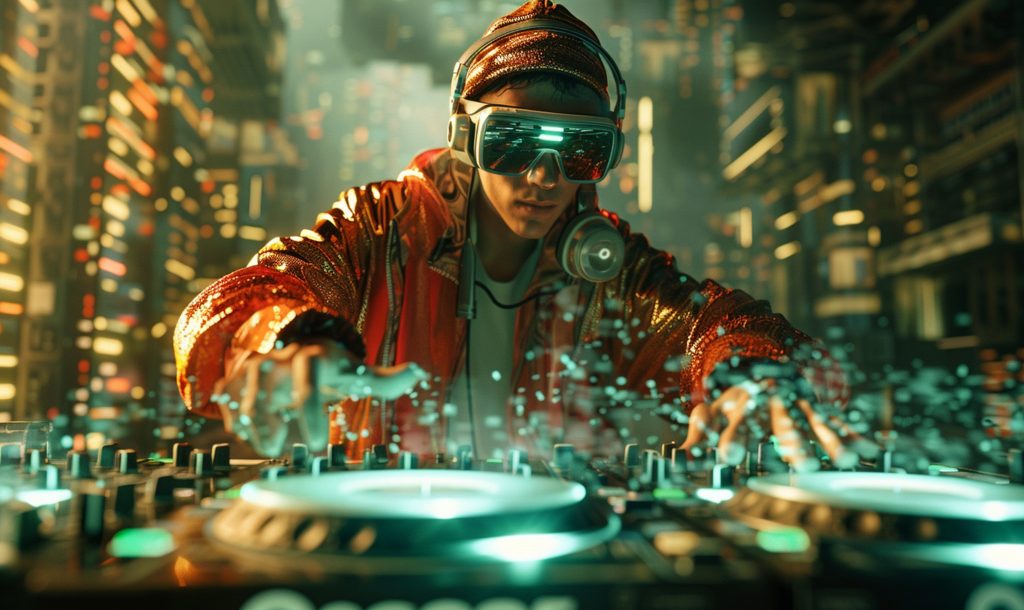
AI-generated music trends are reshaping the way artists, producers, and listeners experience sound. By leveraging artificial intelligence, composers can create unique melodies, generate lyrics, and even produce entire tracks without traditional instruments. From indie musicians to global pop artists, AI tools are pushing the boundaries of creativity and redefining music production.
Imagine an emerging musician in a small studio who uses AI software to produce orchestral arrangements without hiring a full orchestra. With AI-generated music trends, artists can experiment with genres, harmonies, and rhythms that were previously inaccessible, unlocking endless possibilities in sound creation.
The Rise of AI Composers
One of the most notable AI-generated music trends is the rise of AI composers that can craft original compositions. These systems analyze existing music, learn patterns, and produce new tracks that mirror human creativity while introducing novel elements.
For example, platforms like AIVA and Amper Music allow users to generate cinematic scores, electronic tracks, or ambient music by selecting styles and moods. Artists and content creators leverage these tools for video games, films, and online media, showcasing how AI-generated music trends are changing traditional composition methods.
Personalized Music Experiences
AI is also driving personalization in music consumption. AI-generated music trends include adaptive playlists and dynamic tracks tailored to listeners’ moods, activities, or environments.
Consider a fitness app using AI-generated beats that adjust tempo in real time based on a user’s running pace. Similarly, meditation apps create calming soundscapes that respond to breathing patterns. These innovations highlight how AI isn’t just producing music—it’s creating interactive and personalized experiences for listeners worldwide.
Virtual Artists and AI Voices
A growing trend in AI music is the emergence of virtual artists and AI-generated vocals. These tools allow creators to produce songs with lifelike singing voices without human performers.
For example, vocal synthesis platforms like Vocaloid or OpenAI’s Jukebox enable musicians to compose songs entirely with AI voices. Indie artists can produce complete tracks, while major labels experiment with virtual performers. This aspect of AI-generated music trends expands creative freedom and introduces new forms of artistic expression.
Collaborative AI in Music Production
Collaboration between humans and AI is another defining feature of modern AI-generated music trends. Musicians use AI to co-compose, generate ideas, or remix tracks, combining human intuition with computational power.
A famous example is how pop artists integrate AI suggestions into songwriting, creating melodies or harmonies that they might not have envisioned. AI acts as a creative partner, providing inspiration while leaving artistic decisions to the human musician. This collaborative process highlights the evolving role of AI in creative industries.
AI in Music Marketing and Distribution
AI-generated music isn’t limited to production—it also influences marketing and distribution. Algorithms analyze trends, listener behavior, and streaming patterns to predict hits or optimize releases.
Platforms like Spotify and Apple Music leverage AI insights to recommend tracks, create viral playlists, and predict emerging genres. By combining AI-generated content with data-driven promotion strategies, artists can reach wider audiences more effectively, demonstrating the full scope of AI-generated music trends in the industry.
Legal and Ethical Considerations
With innovation comes responsibility. AI-generated music trends raise legal and ethical questions about copyright, authorship, and royalties. Who owns a track composed entirely by AI? How are revenue and credit distributed?
Record labels, artists, and tech companies are navigating these challenges to create fair frameworks. Some initiatives assign co-authorship to AI-assisted compositions or regulate licensing for AI-created works. Addressing these issues is essential to sustainably integrate AI into music production and commercialization.
Real-World Success Stories
Several artists and companies exemplify the impact of AI-generated music trends. Pop icons have released tracks co-created with AI, and video game developers use AI-generated soundtracks to enhance gameplay. Indie musicians produce experimental electronic music using AI tools, reaching audiences without traditional recording studios.
For instance, an indie electronic album generated with AI software gained international recognition for its unique sound textures and dynamic rhythms. These examples demonstrate the potential of AI to democratize music production and expand creative possibilities.
Future of AI in Music
The future of AI-generated music trends promises even greater integration of technology and artistry. Advancements in machine learning, deep neural networks, and generative models will enable more sophisticated compositions, real-time collaborative tools, and fully immersive auditory experiences.
Imagine a future concert where live AI-generated music adapts to audience reactions in real time, creating personalized performances. As AI continues to evolve, the boundary between human and machine creativity in music will blur, offering exciting opportunities for both creators and listeners.
Education and Skill Development
AI isn’t just transforming professional music—it’s also shaping education. AI-generated music trends provide tools for teaching composition, music theory, and sound design in classrooms and online courses.
Students can experiment with AI-generated tracks to learn chord progressions, harmony, and production techniques. This hands-on exposure accelerates learning and encourages creativity, showing how AI can nurture the next generation of musicians and producers.
Challenges and Adoption
Despite its potential, adopting AI-generated music comes with hurdles. Technical expertise, cost, and cultural acceptance remain challenges for some artists and organizations. Ensuring quality and maintaining human artistry while using AI tools is crucial.
Educational programs, accessible platforms, and collaborative frameworks are helping overcome these challenges. As adoption increases, AI-generated music trends will become a mainstream component of the music industry, accessible to both amateur and professional musicians.
Read also:
6048575131
4167220847
6137020736
4186518975
