
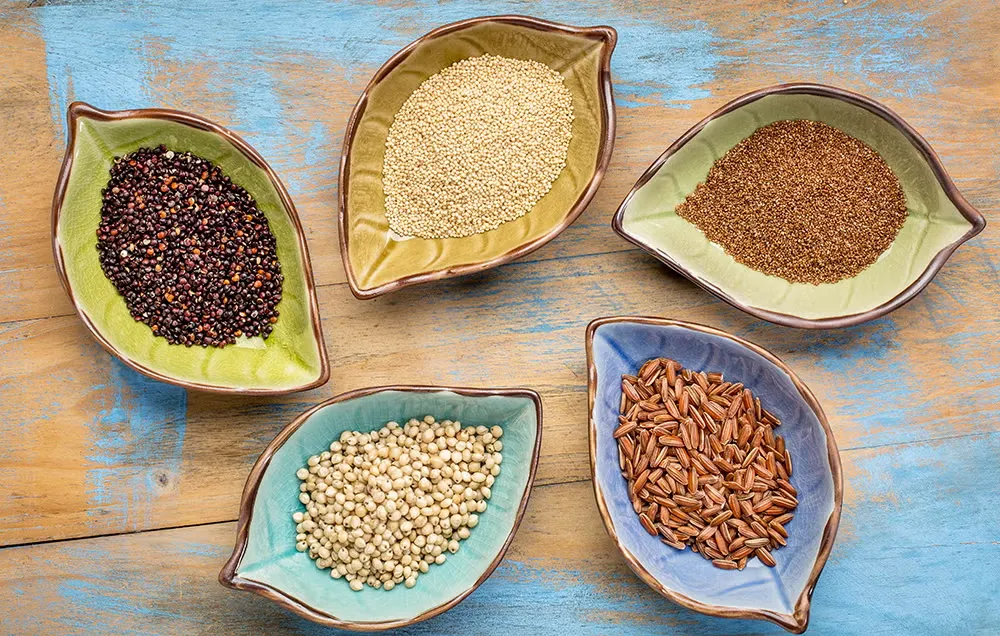
Ancient grains meals are transforming home cooking by offering wholesome, fiber-rich, and nutrient-dense options that nourish the body and delight the palate. Ancient grains like quinoa, farro, amaranth, millet, and spelt have been staples for centuries, providing protein, minerals, and complex carbohydrates. By exploring ancient grains meals, home cooks can enjoy flavorful dishes while boosting health and maintaining balanced diets.
Imagine a hearty farro salad with roasted vegetables and a zesty lemon-tahini dressing. The dish is satisfying, nutrient-packed, and easy to prepare. This example captures the essence of ancient grains meals: simple, wholesome, and versatile.
Why Ancient Grains Meals Are a Modern Trend
The surge in popularity of ancient grains meals is due to growing awareness of nutrition and the desire for sustainable, plant-forward eating. Unlike refined grains, ancient grains retain more fiber, vitamins, and minerals, making them ideal for health-conscious individuals.
A story from a home cook shows preparing a quinoa-stuffed bell pepper for dinner. The result was a colorful, filling, and balanced meal. Using ancient grains meals in daily cooking enhances both flavor and nutrition.
Key Ingredients for Ancient Grains Meals
Successful ancient grains meals rely on high-quality grains and complementary ingredients. Quinoa, farro, millet, barley, and teff form the base, while seasonal vegetables, legumes, nuts, seeds, herbs, and healthy fats elevate the dish.
For instance, amaranth porridge with almond milk, chia seeds, and fresh berries is a nutrient-dense breakfast. By mastering ancient grains meals, cooks can create endless flavor combinations suitable for any meal of the day.
Popular Ancient Grains Meals to Try
From breakfast bowls and grain salads to soups and hearty casseroles, ancient grains meals offer versatility. Each dish provides a satisfying way to incorporate nutrient-dense grains into daily life.
A real-life example is a millet risotto with mushrooms and spinach. The creamy texture, earthy flavors, and wholesome nutrition make it a standout. Exploring ancient grains meals unlocks culinary creativity while promoting wellness.
Health Benefits of Ancient Grains Meals
The benefits of ancient grains meals include high fiber, protein, antioxidants, and essential minerals. They support digestion, stabilize blood sugar, and enhance heart health.
For example, farro contains magnesium and iron, promoting energy and metabolic function. Incorporating ancient grains meals into your diet is a practical and delicious way to improve overall health.
Time-Saving Tips for Ancient Grains Meals
Efficiency matters when preparing ancient grains meals. Pre-cooked grains, frozen vegetables, and ready-made sauces can reduce cooking time without sacrificing flavor.
For instance, quinoa can be batch-cooked and stored in the fridge for use in salads, soups, and stir-fries. These strategies make ancient grains meals convenient for busy weekdays.
Flavor Enhancements for Ancient Grains Meals
Enhancing ancient grains meals with herbs, spices, and healthy fats creates depth and richness. Lemon, garlic, turmeric, cumin, fresh herbs, olive oil, and nuts elevate the flavor profile.
A cook experimented with spelt pilaf, roasted sweet potatoes, and toasted almonds. The result was a satisfying, aromatic dish demonstrating how ancient grains meals can be both nutritious and gourmet.
Family-Friendly Ancient Grains Meals
Ancient grains meals are perfect for families seeking wholesome, versatile dishes. Kids can enjoy grain bowls, stuffed vegetables, and breakfast porridges while adults benefit from nutrient-rich, balanced meals.
For example, a quinoa mac and cheese uses cooked quinoa blended with creamy sauce for a comforting yet healthful dinner. Integrating ancient grains meals into family menus makes nutrition fun and accessible.
Pantry Staples for Ancient Grains Meals
Stocking ancient grains, legumes, nuts, seeds, and dried herbs ensures consistent success with ancient grains meals. These staples allow spontaneous meal creation and versatile flavor experimentation.
For instance, a simple farro salad with canned chickpeas, cherry tomatoes, and olive oil can be prepared quickly using pantry staples. Pantry readiness ensures ancient grains meals remain convenient and nutritious.
Storing and Serving Ancient Grains Meals
Proper storage preserves the texture, flavor, and nutrients of ancient grains meals. Cooked grains should be stored in airtight containers in the fridge for up to 5 days. Prepped grain salads and bowls can be served cold or gently reheated.
For example, a quinoa salad with roasted vegetables stays fresh and flavorful for several days, making ancient grains meals practical for meal prep and weeknight dinners.
Social and Lifestyle Benefits
Cooking ancient grains meals encourages mindful eating, creativity, and a connection to traditional food cultures. Sharing hearty grain-based dishes can bring friends and family together while promoting wellness.
A story from a blogger highlights hosting a farro-based brunch featuring grain salads, porridge, and millet muffins. This example shows how ancient grains meals enrich both culinary skills and lifestyle habits.
Common Mistakes to Avoid
Mistakes with ancient grains meals often include undercooking, over-seasoning, or neglecting proper ratios of liquid to grain. Following instructions ensures tender, flavorful, and nutritious results.
For instance, cooking farro with insufficient water leads to chewy, uneven textures, while proper preparation ensures a satisfying dish. Attention to detail guarantees ancient grains meals are consistently delicious.
Future Trends in Ancient Grains Meals
The future of ancient grains meals involves global fusion recipes, functional foods, and convenient meal kits. Grains like teff, sorghum, and einkorn are gaining attention for their nutritional value and versatility.
Imagine a meal subscription delivering pre-measured ancient grains, fresh vegetables, and spices for quick, flavorful dishes. These innovations make ancient grains meals accessible, practical, and exciting for modern cooks.
Choosing the Right Recipes for Ancient Grains Meals
Selecting recipes based on ingredients, time, and taste preferences ensures success with ancient grains meals. Start simple with grain salads or porridge, then explore more complex dishes like stuffed peppers or grain-based casseroles.
For example, rotating quinoa breakfast bowls, millet pilaf, and spelt risottos adds variety and nutrients to daily meals. Thoughtful recipe selection ensures ancient grains meals are satisfying, healthy, and enjoyable.
Read also:
oia menu
boteyju menu
enne pub
the rameshwaram cafe – jp nagar menu
