
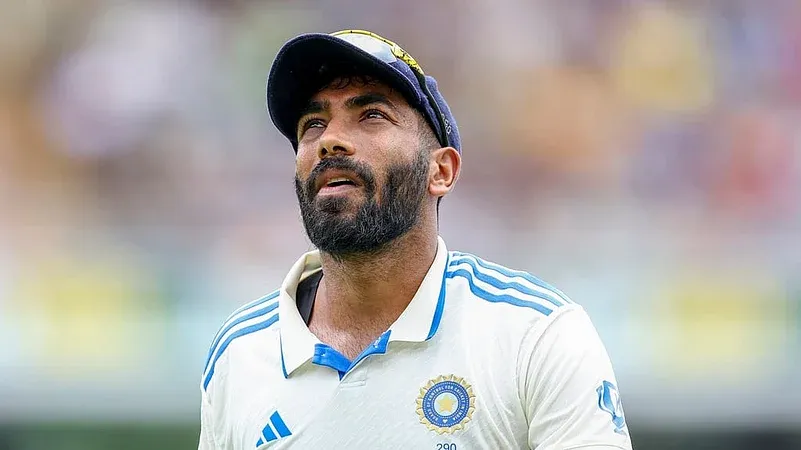
Cricket player workload management has become one of the most critical conversations in modern cricket. With packed international calendars, franchise leagues, and year-round travel, managing physical and mental strain is no longer optional—it is essential.
Over the past decade, injuries to fast bowlers and multi-format stars have highlighted the consequences of overuse. Teams have realized that talent alone is not enough. Longevity depends on structured planning, recovery science, and smart scheduling.
Today, Cricket player workload management is not just a support function handled quietly by physiotherapists. It is a central pillar of team strategy, backed by sports science, analytics, and performance data.
Why Modern Cricket Demands Smarter Workload Planning
International cricketers rarely get extended off-seasons anymore. Between bilateral series, ICC tournaments, and leagues like the Indian Premier League, elite players move from one high-pressure environment to another.
Fast bowlers, in particular, face intense physical stress. A single over at full pace places immense strain on the lower back, knees, and shoulders. Multiply that by hundreds of overs annually, and injury risks increase sharply.
Cricket player workload management aims to track these stress levels and prevent breakdowns before they occur. It focuses on sustainable output rather than short-term gains.
The shift from reactive treatment to proactive prevention marks a major evolution in cricket professionalism.
The Fast Bowler Dilemma
Few roles in cricket are as physically demanding as that of a fast bowler. Generating speeds above 140 km/h repeatedly requires explosive strength and precise biomechanics.
The career of Jasprit Bumrah illustrates both brilliance and vulnerability. His unique action delivers extraordinary results but also demands careful monitoring to avoid stress injuries.
Teams now monitor bowling loads in training and matches. They calculate total deliveries bowled, intensity levels, and recovery windows. Sudden spikes in workload are often linked to injury risk.
Cricket player workload management for pacers typically involves rotational policies, limited overs caps, and individualized training programs.
Multi-Format Pressure and Star Players
Modern stars often represent their country across Tests, ODIs, and T20s while also participating in franchise cricket. The physical and mental toll can be enormous.
Take the example of Ben Stokes. As an all-rounder, he contributes with both bat and ball, effectively doubling his workload.
Managing such players requires balancing national priorities with league commitments. Boards increasingly rest key players from certain series to preserve them for major tournaments.
Cricket player workload management in multi-format careers demands collaboration between national boards, franchises, and medical teams.
Data and Technology in Workload Monitoring
Sports science has transformed how teams track workload. GPS devices measure distance covered during fielding sessions. Wearable sensors record heart rate variability and muscular stress.
Performance analysts collect data on bowling intensity, sprint frequency, and recovery metrics. This data feeds into predictive models that estimate fatigue levels.
Cricket player workload management now relies heavily on evidence-based decision-making rather than guesswork.
Technology allows coaches to tailor programs to individual needs, minimizing injury while maximizing performance.
Mental Fatigue: The Overlooked Component
Physical fatigue is easier to measure than mental strain. Yet mental burnout can be equally damaging.
Constant travel, media scrutiny, and high-stakes competition create psychological pressure. Players often move between time zones with minimal downtime.
Teams competing in tournaments like the ICC T20 World Cup face intense schedules within short timeframes.
Cricket player workload management increasingly incorporates mental wellness programs, sports psychologists, and structured rest periods to protect long-term motivation.
Rotation Policies and Squad Depth
Rotation is a common strategy to manage workload. Instead of fielding the strongest XI in every match, teams strategically rest players during less critical fixtures.
The Australia national cricket team has frequently implemented rotation policies, especially for fast bowlers during long tours.
Such strategies require strong bench strength. Emerging players gain opportunities while senior players recover.
Cricket player workload management through rotation balances immediate competitiveness with future sustainability.
The Role of Strength and Conditioning
Strength and conditioning coaches play a vital role in reducing injury risk. Customized gym programs strengthen muscles that absorb repetitive impact.
Core stability exercises protect lower backs, particularly for fast bowlers. Mobility drills improve joint flexibility and reduce strain.
Cricket player workload management integrates conditioning sessions seamlessly into training cycles.
These programs are adjusted based on match frequency and travel schedules, ensuring players are neither undertrained nor overworked.
Travel and Recovery Challenges
International tours often involve long-haul flights and compressed schedules. Jet lag disrupts sleep patterns, affecting recovery and reaction time.
Nutrition plans and sleep monitoring are now central to workload strategies. Teams arrange controlled training intensities immediately after travel to avoid overload.
Hydration, physiotherapy sessions, and active recovery exercises are structured carefully.
Cricket player workload management acknowledges that recovery is as important as preparation.
Young Players and Early Career Management
Young talents entering international cricket face steep learning curves. Sudden exposure to intense schedules can overwhelm their bodies.
Boards now adopt gradual integration policies. Promising fast bowlers are introduced through limited series before full workloads are assigned.
The England national cricket team has emphasized phased development for emerging bowlers.
Cricket player workload management for younger players focuses on building resilience without accelerating wear and tear.
Franchise Cricket and Scheduling Conflicts
Franchise leagues bring financial rewards and global exposure, but they also complicate workload planning.
Players transitioning from domestic leagues to international duty often have minimal rest periods. Boards must negotiate participation limits to safeguard fitness.
Cricket player workload management becomes more complex when contractual obligations overlap.
Collaborative agreements between boards and franchises are increasingly necessary to protect players.
Injury Prevention Through Biomechanical Analysis
Modern biomechanics labs analyze bowling actions frame by frame. Coaches identify stress points in technique that may lead to injury.
Adjustments to run-up length, landing foot alignment, or follow-through can reduce impact forces.
Cricket player workload management combines biomechanical insights with conditioning programs to prevent recurring injuries.
Small technical refinements can significantly extend careers.
Leadership and Communication
Transparent communication between players and management is essential. Athletes must feel comfortable reporting fatigue without fear of losing selection opportunities.
Captains and coaches who prioritize long-term fitness foster trust within squads.
Cricket player workload management thrives in environments where performance and health are balanced responsibly.
Clear role definitions and expectation management reduce unnecessary strain.
Performance Versus Preservation Debate
Some critics argue that excessive rest disrupts team rhythm. Others insist that preserving players for major tournaments is crucial.
This debate often surfaces before marquee events like the ICC Cricket World Cup.
Striking the right balance requires data-driven insights and situational awareness.
Cricket player workload management is not about avoiding competition. It is about optimizing availability when it matters most.
The Economic Value of Player Longevity
From a commercial perspective, keeping star players fit benefits boards, sponsors, and broadcasters.
Extended careers generate consistent fan engagement and merchandise sales.
Investing in sports science departments pays long-term dividends.
Cricket player workload management thus carries both sporting and financial significance.
Future Trends in Workload Science
Artificial intelligence may soon predict injury risks based on historical performance data. Machine learning models can identify patterns invisible to traditional analysis.
Wearable devices will likely become more advanced, offering real-time fatigue alerts.
Cricket player workload management will continue evolving as technology advances.
Teams that embrace innovation will maintain competitive advantages.
Building a Culture of Sustainable Excellence
Ultimately, workload management is about culture. Teams must prioritize sustainability over short-term heroics.
Players who understand the value of recovery are more likely to enjoy prolonged success.
Coaches who integrate science into strategy set new standards for professionalism.
Cricket player workload management is no longer a background concern. It is a defining feature of modern cricket success, shaping careers, protecting talent, and ensuring the sport’s brightest stars remain on the field for years to come.
Read also:
england cricket team vs afghanistan national cricket team match scorecard
pakistan national cricket team vs west indies cricket team match scorecard
england cricket team vs west indies cricket team match scorecard
new zealand national cricket team vs pakistan national cricket team match scorecard
sri lanka national cricket team vs bangladesh national cricket team match scorecard
zimbabwe national cricket team vs afghanistan national cricket team match scorecard