
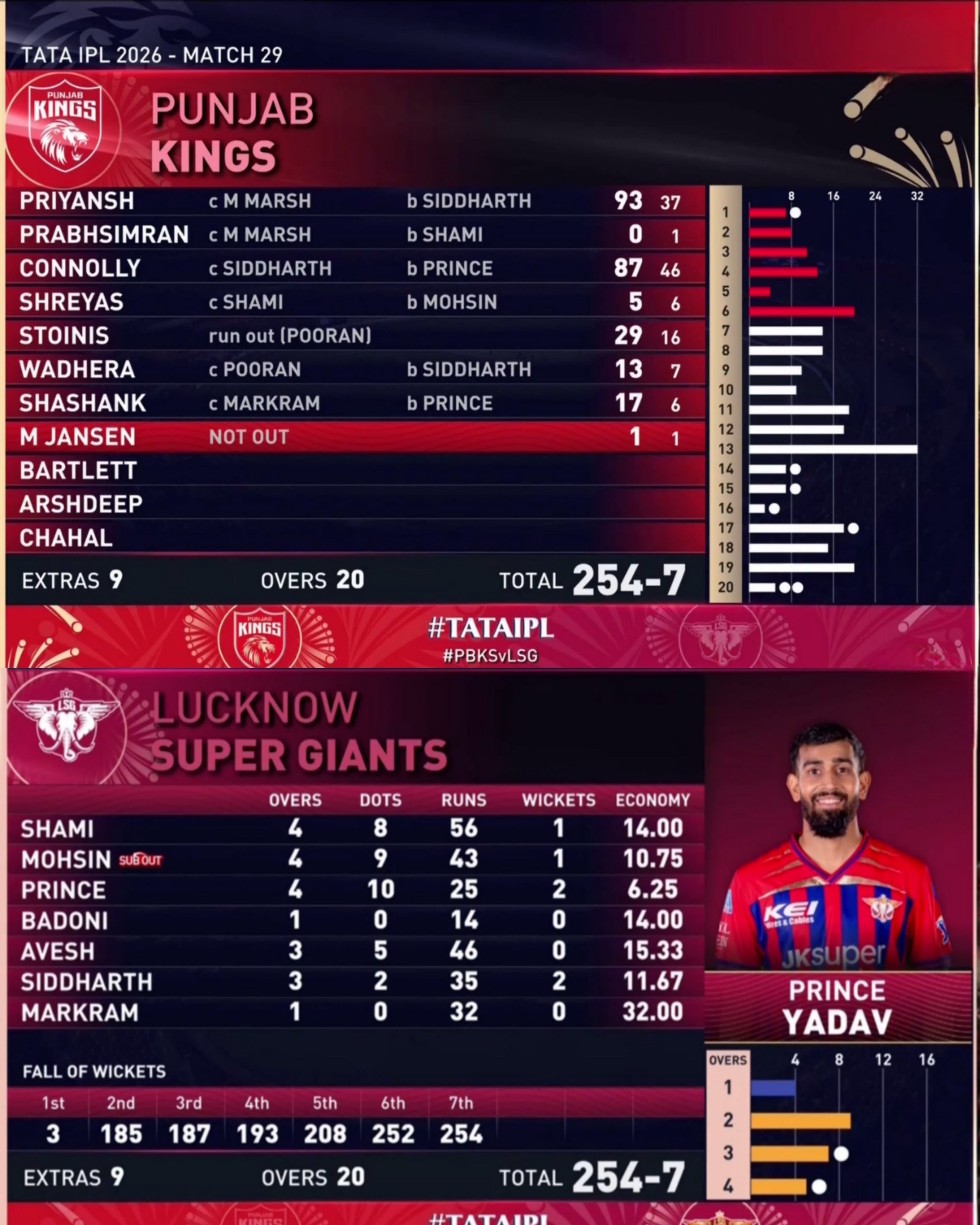
Cricket scorecards contain much more information than the final runs and wickets shown after a match. cricteamscores.com gives readers a place to explore cricket scorecards, match details, player performances, and important statistics from different games. A scorecard can explain how an innings developed, which players contributed, and where a team lost control. However, understanding those details requires looking beyond the biggest numbers displayed on the screen. Batting positions, dismissal descriptions, bowling figures, fielding contributions, and innings summaries all provide useful information. Learning how these details connect can make following cricket matches more interesting and easier for regular viewers.
Understanding Batting Positions
Batting positions show the order in which players entered the innings, although the listed order does not always tell the complete story. Opening batters usually begin the innings, while middle-order players often arrive after early wickets fall. Lower-order batters may have different responsibilities depending on the remaining overs and available wickets. A player entering during the final overs might focus on quick scoring instead of building a long innings. In another situation, that same player may need to protect the wicket and support an established batter. Reading batting positions alongside runs, balls faced, and dismissal details helps explain what each player actually contributed during the innings.
Reading Dismissal Descriptions
Dismissal information provides important context about how individual innings ended. A batter may be caught, bowled, run out, stumped, or dismissed through another recognized method. These descriptions help readers understand whether a wicket resulted from a bowler’s delivery, fielding action, or a running mistake. For example, a run out can involve poor communication between batters rather than a direct bowling achievement. Similarly, a caught dismissal may show the involvement of both the bowler and the fielder. Scorecards often display dismissal details beside the batter’s name, making it possible to understand the sequence without watching every delivery again.
Recognizing Player Status Symbols
Cricket scorecards sometimes include abbreviations or symbols that explain why a batter’s innings ended or remained incomplete. Common descriptions include not out, retired hurt, retired out, and did not bat. These terms represent different situations and should not be treated as interchangeable. A batter marked not out remained unbeaten when the innings ended or the player stopped batting. Retired hurt generally indicates that a player left the field because of an injury or physical problem, subject to the applicable playing rules. A player listed as did not bat never entered the innings. Understanding these labels prevents incorrect assumptions when reviewing individual batting records.
Following Partnerships Between Batters
Partnership information helps explain how two batters worked together during a particular period of an innings. A partnership records the runs added while two players shared the crease before a wicket or innings ending. This figure includes runs credited through their batting, along with applicable extras during that partnership. A strong partnership can stabilize an innings after early wickets or increase scoring during the middle overs. Smaller partnerships may also matter when a team is defending a limited total. Looking at partnership figures alongside individual scores reveals whether the innings depended heavily on one player or received contributions from several combinations.
Checking Bowling Figures Properly
Bowling figures describe several different parts of a bowler’s performance, so the individual columns should be read together. Overs indicate the number of overs completed, while maidens show overs in which no runs were conceded under the relevant scoring rules. Runs conceded and wickets taken provide additional information about a bowler’s contribution. Economy rate describes the average runs conceded per over, while bowling average relates runs conceded to wickets credited. Strike rate measures the number of deliveries bowled per wicket taken. These statistics explain different aspects of performance, and no single figure fully describes how a bowler affected the match.
Identifying Fielding Contributions
Fielding contributions can become easy to overlook when readers focus mainly on batting and bowling records. A scorecard may identify catches, stumpings, and run outs alongside the players involved. These details show how fielders contributed to dismissals and changed the direction of an innings. A catch can end a batter’s innings, while a direct hit or accurate throw may create a run out opportunity. Wicketkeepers can also contribute through catches and stumpings, depending on the circumstances. Fielding records do not always capture every important stop or boundary saved, but they provide useful evidence of several decisive moments during a match.
Understanding Extras And Penalties
Extras represent runs that are not credited directly to a batter’s individual score. Common categories include wides, no balls, byes, leg byes, and penalty runs when applicable. Each category follows specific scoring rules and can affect both the innings total and individual bowling figures. For example, wides and no balls generally count against the bowler, while byes and leg byes are recorded differently. Extras can become especially important in closely contested matches because several additional runs may change the required target. Checking the extras section also helps readers understand why the total exceeds the combined runs scored by individual batters.
Reading The Fall Of Wickets
The fall of wickets section shows the score and over at which each wicket was lost. This information helps readers reconstruct the innings without examining every delivery separately. Losing three wickets early while scoring relatively few runs creates a different situation from losing three wickets after building a substantial total. The timing of dismissals can explain why the scoring rate changed or why a team struggled to accelerate later. Comparing wicket positions with partnerships and individual scores can also reveal periods of stability or pressure. These details become particularly useful when reviewing a match after the live action has finished.
Comparing Different Match Formats
Scorecard information can look different depending on whether the match follows Test, One Day International, or T20 rules. Test cricket may include multiple innings for each team, while limited overs matches generally provide one innings per side. Overs, declarations, follow on situations, and innings duration can influence how figures should be interpreted. A long innings in Test cricket cannot be compared directly with a short T20 contribution without considering the format. The number of deliveries available, match situation, and team requirements all affect player responsibilities. Readers should identify the match format before drawing conclusions from runs, strike rates, or bowling economy.
Conclusion
Cricket scorecards become much more informative when readers understand how different statistics connect with actual match situations. Batting positions, dismissal descriptions, player status, partnerships, bowling figures, fielding records, extras, and wicket timings each explain a separate part of the game. Together, these details provide a clearer picture of how teams built totals and responded to pressure. cricteamscores.com can help readers explore cricket scorecards and related match information while developing a better understanding of individual performances. Taking time to examine the smaller details can make even a familiar match more interesting to review.
Read also :-
new zealand national cricket team vs australian men’s cricket team match scorecard