
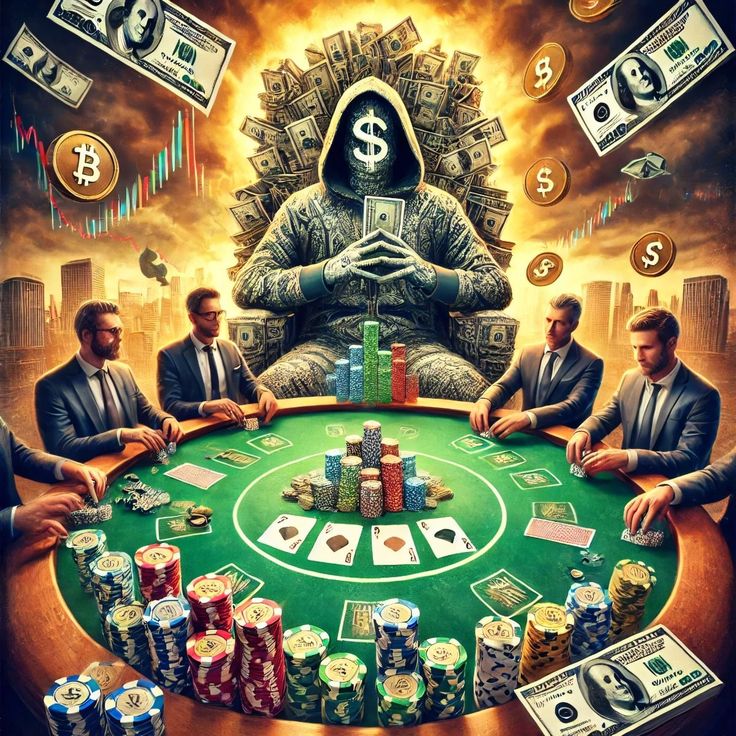
Free poker games are often the first doorway into the world of poker for millions of players. They remove the fear of losing money and replace it with curiosity, learning, and fun. Whether someone is opening a poker app for the first time or returning after years away from the table, free versions offer a pressure-free environment to explore the game.
I remember a friend who avoided poker for years because he believed it was only for gamblers. One evening, he tried a free poker app out of boredom. Within weeks, he was discussing odds, bluffing strategies, and hand ranges with confidence. The absence of financial risk allowed him to learn naturally.
This article explores how these games work, why they matter, and how they can genuinely improve poker skills when approached the right way.
Understanding what free poker games really offer players
At their core, free poker games simulate real poker without requiring deposits or wagers. Players receive virtual chips and can participate in tables, tournaments, and challenges that mirror real-money formats.
The value lies in repetition. Hands can be played quickly, mistakes cost nothing, and experimentation becomes safe. Players learn rules, betting structures, and game flow without pressure.
For beginners, this environment builds confidence. For experienced players, it becomes a testing ground for new strategies and styles.
Why free poker games are more than just casual entertainment
Many people assume free versions are only for fun, but that view overlooks their educational depth. These games teach patience, observation, and decision-making.
Without financial stress, players pay closer attention to patterns and outcomes. They begin to understand why certain hands succeed and others fail.
Psychologically, removing money helps players focus on learning rather than winning. This mindset accelerates improvement far more than chasing quick profits.
The role of free poker games in learning hand rankings and rules
Poker rules can seem simple, yet new players often struggle with hand strength and board reading. Free environments allow unlimited practice.
Seeing thousands of hands builds instinct. Over time, players no longer need to calculate every move consciously.
This repetition creates muscle memory, which is essential before transitioning to higher-stakes environments.
How free poker games help develop strategic thinking
Strategy is where poker truly begins. Players learn when to fold, call, or raise based on position, opponents, and board texture.
Free play encourages experimentation. Aggressive styles, conservative approaches, and bluffing techniques can all be tested without consequences.
Over time, players discover what suits their personality and skill level, building a personal style grounded in experience.
Table dynamics and player behavior in free environments
One criticism of free poker games is unrealistic behavior. Some players go all-in recklessly because chips have no monetary value.
While this is true, it teaches adaptability. Learning to handle unpredictable opponents improves flexibility.
Experienced players use these situations to practice hand reading and emotional control, skills that translate well to real-money tables.
Free poker games as a tool for emotional discipline
Poker is as much mental as mathematical. Tilt, impatience, and overconfidence cost players more than bad cards.
Free formats allow players to experience losing streaks without financial pain. This helps build emotional resilience.
Learning to stay calm during repeated losses is a skill that separates long-term winners from casual players.
Online platforms that popularized free poker games
The rise of mobile apps and browser-based platforms made free poker accessible worldwide. No downloads, no payments, just instant play.
Social features like leaderboards and challenges added motivation. Players now compete for recognition rather than money.
This gamification keeps users engaged while subtly improving their understanding of poker fundamentals.
Transitioning from free poker games to real-money play
One common question is whether skills transfer. The answer depends on mindset.
Players who treat free play seriously, focusing on decision quality rather than chip count, gain real value.
Those who use free tables to practice discipline, bankroll thinking, and observation adapt more smoothly to real-money environments.
Differences between free poker games and real-money poker
The biggest difference lies in motivation. Real-money players protect chips more carefully.
Free play can feel looser, but the core mechanics remain the same. Betting rounds, odds, and hand rankings do not change.
Understanding these differences prepares players mentally before making the transition.
Learning odds and probability through repetition
Probability is difficult to grasp through theory alone. Seeing outcomes repeatedly builds intuition.
Free poker games allow players to witness how often draws complete or fail.
Over time, players internalize odds naturally, making faster and better decisions.
Social interaction and community learning
Many platforms include chat features, clubs, and community events.
Players exchange ideas, celebrate wins, and discuss mistakes openly.
This shared learning environment accelerates improvement and keeps the experience enjoyable.
Using free poker games to test advanced strategies
Advanced concepts like continuation betting, slow playing, and range balancing can be practiced freely.
Trying these ideas in real-money games can be costly. Free play removes that risk.
Players refine timing and execution before applying strategies in competitive settings.
The importance of self-discipline even without money involved
Discipline matters even when chips are virtual.
Players who treat free games seriously build habits that carry forward.
Those who play recklessly often struggle later when stakes become real.
Skill progression through consistent free play
Skill improves with volume. Free formats encourage more hands per hour.
Players gain exposure to diverse situations quickly.
This accelerated learning curve benefits those committed to improvement.
Trust, credibility, and EEAT in poker learning
Reliable learning comes from experience, transparency, and proven understanding.
Players should focus on platforms that clearly explain rules, odds, and strategies.
Trustworthy environments enhance learning and reduce misinformation.
Why experienced players still use free poker games
Even professionals revisit free formats to unwind or test ideas.
The lack of pressure allows creativity and experimentation.
Learning never truly stops, regardless of experience level.
Responsible gaming awareness through free play
Free poker introduces the game without financial exposure.
It allows players to understand their habits before involving money.
This awareness promotes healthier gaming behavior long term.
Psychological growth through poker without financial risk
Poker reveals emotional patterns like impatience and overconfidence.
Free environments highlight these traits safely.
Self-awareness gained here helps both poker performance and personal growth.
Why free poker games remain relevant in modern poker culture
Despite the growth of high-stakes platforms, free versions continue thriving.
They serve as entry points, practice grounds, and social spaces.
Their value lies not in winning chips, but in learning the game.
Long-term skill building through consistent practice
Consistency matters more than intensity.
Regular play builds intuition and confidence gradually.
This steady growth leads to sustainable improvement.
The deeper value beyond entertainment
While fun attracts players, growth keeps them engaged.
Poker becomes a tool for decision-making, patience, and self-control.
For many, the lessons extend far beyond the table.
Free poker games continue to play a vital role in poker education and enjoyment. They provide access, safety, and learning opportunities that benefit beginners and experienced players alike. When approached with the right mindset, they become powerful tools for mastering one of the world’s most strategic card games.
Read also:
bingo slot games
blackout bingo
baccarat card counting