
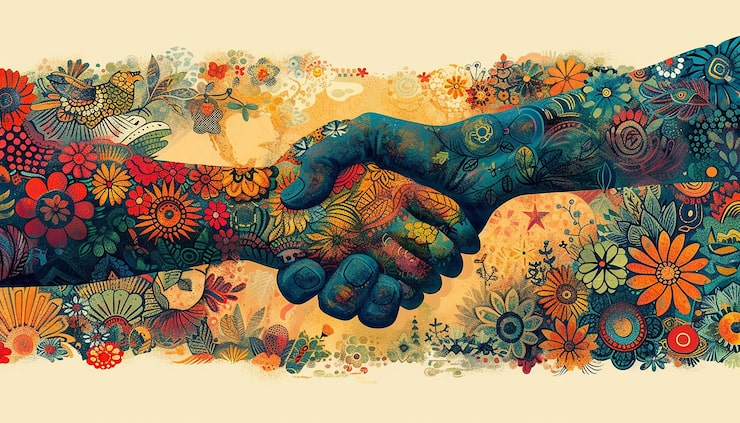
Hand painting design is a timeless art form that lets you transform ordinary items into personalized masterpieces with just a brush and some color. Whether you’re sprucing up a plain mug or adding patterns to a piece of clothing, this hands-on approach feels incredibly rewarding. I remember my first attempt at it years ago, when I grabbed an old wooden chair from a garage sale and decided to give it a floral makeover. It wasn’t perfect, but that splash of color turned it into the star of my living room. If you’ve ever felt the itch to create something truly your own, diving into hand painting design could be your next favorite hobby.
What makes hand painting design so appealing is its accessibility. You don’t need fancy equipment or years of training to get started. It’s all about expressing yourself through strokes and shades, blending creativity with a bit of patience. Over time, as you practice, you’ll see how small details can make a big impact, turning blank canvases into stories told through paint.
The Rich History of Hand Painting Design
Dipping back into the past, hand painting design has roots that stretch all the way to prehistoric times. Think about those ancient cave walls in places like France and Spain, where early humans used their fingers to smear pigments and create simple outlines of animals and symbols. These weren’t just doodles; they were ways to communicate and record life, showing how hand painting has always been a fundamental way for people to express ideas. Fast forward to ancient civilizations, and you’ll find Egyptians adorning tombs with intricate hand-painted scenes, using natural dyes to depict gods and daily life.
As centuries rolled on, hand painting design evolved into more refined practices during the Renaissance. Artists like Leonardo da Vinci didn’t just paint grand scenes; they studied hands meticulously, sketching muscles and joints to capture realistic movement in their works. This period highlighted how hands could symbolize emotion and power, as seen in Michelangelo’s famous fresco where divine and human fingers nearly touch, sparking life itself. It was a time when hand painting wasn’t just about decoration but about telling profound stories.
Moving into the modern era, the 20th century saw innovators like Ruth Faison Shaw popularize finger painting as a legitimate art form, turning what kids do for fun into something therapeutic and expressive for adults too. Today, this history inspires contemporary designers who blend old techniques with new twists, keeping hand painting design alive in everything from street art to high-end fashion.
Essential Materials for Getting Started in Hand Painting Design
Before you jump in, gathering the right tools makes all the difference in your hand painting design projects. Start with quality paints—acrylics are fantastic for beginners because they dry quickly and work on various surfaces like wood, fabric, or canvas. They’re forgiving too, allowing you to layer colors without much hassle. If you’re going for something washable, tempera paints are a safe bet, especially for experimenting without permanent commitment.
Brushes come next; a set with different sizes lets you handle fine details and broad strokes. Flat brushes are great for filling areas, while round ones help with curves and lines. Don’t forget palettes for mixing colors—simple plastic ones do the trick. For surfaces, canvas panels or thrifted items like vases and furniture offer endless options. I once painted a faded lampshade with swirling vines, and it completely refreshed my bedroom without spending a fortune.
Protective gear is key to avoid messes. Old clothes, aprons, and drop cloths keep your space clean. Sealants like varnish add a professional finish, protecting your work from wear. With these basics, you’re set to explore hand painting design without breaking the bank.
Beginner Techniques to Master in Hand Painting Design
If you’re new to this, starting with simple techniques builds confidence fast. One easy method is dry brushing, where you dip a stiff brush in paint, wipe off most of it, and lightly skim the surface for a textured, aged look. It’s perfect for adding depth to furniture or walls without overwhelming the design. I tried this on a wooden box, and it gave it that rustic charm that store-bought items just can’t match.
Another beginner-friendly approach is stippling, using the tip of a brush or even a sponge to dot paint on. This creates soft gradients and patterns, ideal for floral motifs or abstract backgrounds. Dabbing with a paper towel can soften edges, blending colors seamlessly. For those who love getting messy, finger painting lets you blend hues directly with your hands, evoking those childhood joys but with more intentional results.
Practice layering too—start with a base coat, let it dry, then add details on top. Watering down acrylics for washes adds transparency, building complexity without complication. These techniques make hand painting design approachable, turning novices into enthusiastic creators in no time.
Advanced Techniques to Elevate Your Hand Painting Design Skills
Once you’ve got the basics down, advancing your techniques opens up a world of possibilities in hand painting design. Glazing involves thin, transparent layers of paint over dried ones, creating luminous effects that add depth and vibrancy. It’s like giving your work a subtle glow, especially useful for realistic shading on fabrics or ceramics.
Try sgraffito, scratching through wet paint to reveal underlying colors, for intricate patterns that pop. This works wonders on pottery or canvas, adding texture and interest. Wet-on-wet blending, where you mix colors directly on the surface while they’re still damp, produces soft transitions perfect for landscapes or abstract pieces.
Incorporating mixed media takes it further—combine hand painting with stencils or stamps for precise designs, then freehand details for a personal touch. I experimented with this on a canvas tote bag, layering paints with fabric markers, and it became my go-to accessory. These methods push your creativity, making each hand painting design project uniquely sophisticated.
Creative Hand Painting Design Ideas for Home Decor
Bringing hand painting design into your home decor can infuse personality into every corner. Start small with wall accents—paint a mural on one wall with swirling vines or geometric shapes to create a focal point. It’s less intimidating than a full room and adds instant warmth.
Furniture revamps are another hit. Take an old dresser and hand-paint floral patterns on the drawers for a bohemian vibe. Or, try whimsical motifs on side tables, like stars and moons for a dreamy nursery. I once transformed a plain coffee table with abstract waves in blues and greens, making it feel like a piece of the ocean in my living room.
Don’t overlook smaller items: hand-painted cushions, lampshades, or picture frames add pops of color. For a cohesive look, theme your designs around seasons—autumn leaves in fall or fresh blooms in spring. These ideas make hand painting design a fun way to refresh your space affordably and artistically.
Hand Painting Design in Fashion: Personalizing Your Wardrobe
Fashion lovers, rejoice—hand painting design turns clothing into wearable art. Begin with simple items like t-shirts or sneakers, using fabric paints that stay flexible after washing. Paint bold stripes or delicate mandalas for a custom look that’s all you.
Denim jackets are prime canvases; add painted patches of landscapes or quotes for an edgy style. Scarves and bags get a boost too—hand-paint silk with watercolor-inspired florals for elegant accessories. I painted a pair of canvas shoes with starry nights, inspired by Van Gogh, and they always spark conversations.
For more advanced fashion twists, layer designs on dresses or hats, mixing techniques like splattering for a modern abstract feel. This approach not only upcycles old pieces but also lets you stand out with one-of-a-kind outfits. Hand painting design in fashion is about blending creativity with everyday wear.
Inspiring Ideas for Hand-Painted Furniture Makeovers
Furniture makeovers through hand painting design breathe new life into tired pieces. Consider a vintage cabinet—paint it with scenic landscapes or folk art motifs for a storybook charm. Two-toned effects, where you paint the body one color and accents another, add modern flair without overwhelming.
Nightstands shine with hand-painted details like birds or branches, turning bedtime routines into artistic moments. For larger items like wardrobes, go bold with geometric patterns or ombre fades. I revamped an old bookshelf with painted book spines on the sides, making it a literary illusion that’s both functional and fun.
Mixing styles keeps it fresh—combine rustic distressing with vibrant hand-painted elements for eclectic appeal. These makeovers prove hand painting design can turn thrift finds into heirlooms.
Tips for Perfecting Your Hand Painting Design Projects
Honing your skills in hand painting design comes with practice and a few smart tips. Always sketch your design lightly in pencil first—it guides your painting and reduces errors. Work in good lighting to see true colors and avoid surprises when it dries.
Mix paints on a palette before applying to test shades, ensuring they harmonize. Take breaks to step back and view your work from afar; it helps spot imbalances early. For smooth finishes, use thin layers and let each dry fully—rushing leads to smudges.
Experiment freely, but start on scrap materials to build confidence. Joining online communities or workshops can offer feedback and new ideas. Remember, imperfections often add character, so embrace them as part of your unique style.
Common Mistakes to Avoid in Hand Painting Design
Even seasoned creators slip up, but knowing common pitfalls in hand painting design helps you steer clear. One big one is overloading your brush with paint, causing drips and uneven coverage—always blot excess on a cloth first.
Ignoring proportions can throw off the whole piece; measure elements to keep balance. Relying too much on memory instead of references leads to inaccurate details, especially in complex patterns. I learned this the hard way when a floral design ended up lopsided.
Skipping primer on surfaces like wood or metal means paint might not adhere well, flaking off later. Rushing drying times between layers causes colors to muddle. By avoiding these, your hand painting design efforts will shine brighter.
Exploring Famous Artists and Their Influence on Hand Painting Design
Drawing inspiration from masters elevates your own hand painting design work. Albrecht Dürer’s detailed prayer hands from the 1500s showcase precision in capturing emotion through simple lines, influencing how we approach symbolic designs today.
John Singer Sargent’s portraits highlight hands as expressive elements, with gestures that tell stories beyond faces. His fluid brushwork inspires loose, confident strokes in modern decor painting.
In design realms, artists like Georgia O’Keeffe incorporated hand studies into her bold florals, blending anatomy with abstraction. These icons remind us that hand painting design thrives on observation and emotion.
Seasonal Themes in Hand Painting Design for Year-Round Fun
Adapting hand painting design to seasons keeps your creativity flowing. In spring, paint blooming flowers on planters or Easter eggs for fresh vibes. Summer calls for beachy motifs like waves and shells on picnic ware.
Fall brings warm tones—hand-paint leaves and pumpkins on cushions for cozy accents. Winter’s magic shines in snowflakes or holiday ornaments, adding festive sparkle. I love switching up my kitchen towels with seasonal patterns; it’s like redecorating without effort.
These themes make hand painting design a versatile way to celebrate the year.
Incorporating Mixed Media into Your Hand Painting Design
Blending other elements with hand painting design amps up texture and interest. Add collage pieces under paint layers for hidden surprises, or embed beads into wet designs for 3D effects.
Use inks or markers alongside paints for sharp outlines amid soft blends. Fabric scraps integrated into clothing projects create patchwork artistry. Once, I combined hand painting with embroidery on a scarf, resulting in a tactile masterpiece.