
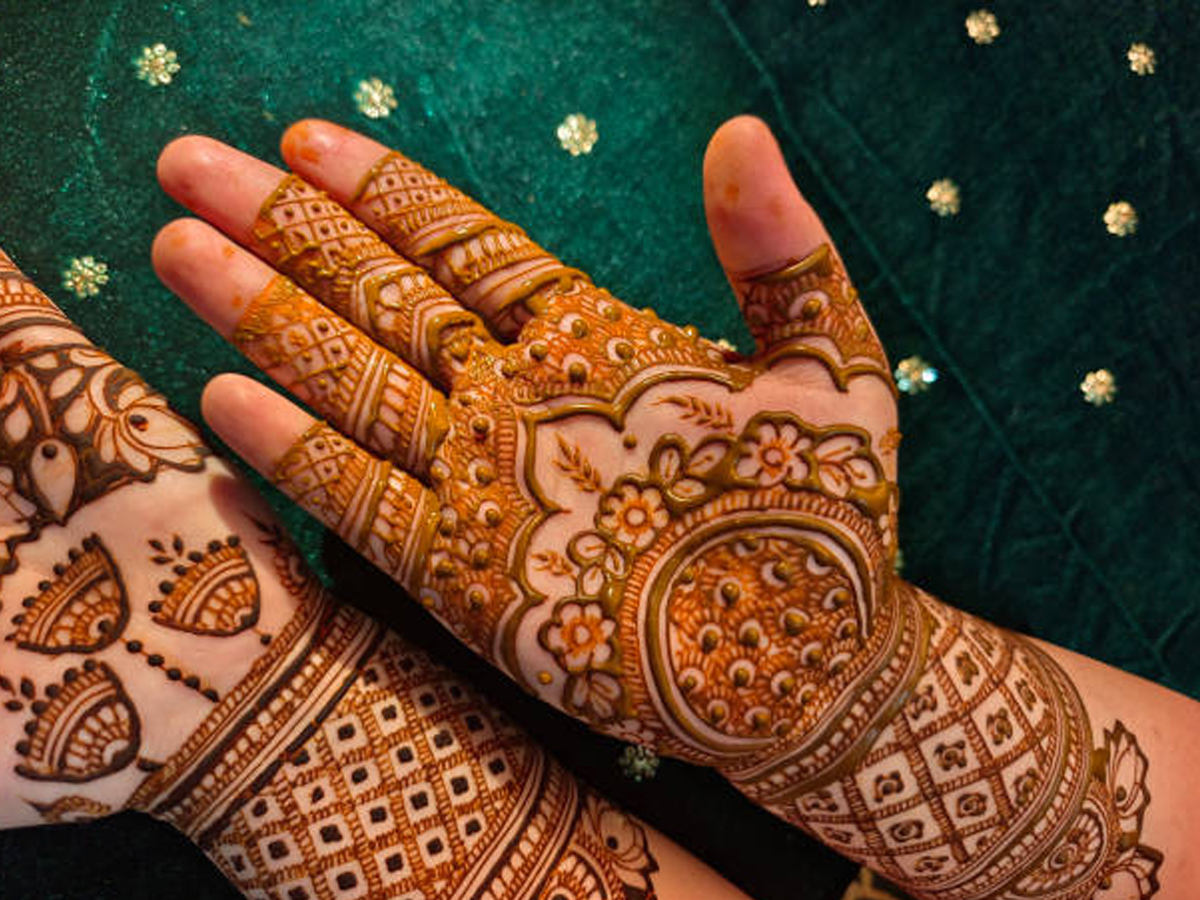
Simple design for kids can open the door to creativity, imagination, and joyful learning. Children naturally love colors, shapes, and playful patterns, and when they are introduced to simple designs, they begin to explore their artistic abilities with confidence.
Parents and teachers often notice how quickly children become excited when they are given pencils, crayons, or craft materials. Even a few basic shapes can turn into a fun activity that keeps them engaged while improving their motor skills and creativity.
Simple design activities are not just about art. They help children develop focus, patience, and problem-solving skills. These small creative moments can become powerful learning experiences that stay with them for years.
Encouraging children to experiment with simple designs allows them to express their thoughts and emotions in a playful and imaginative way.
Table of Contents
ToggleWhy Simple Design Activities Are Important for Kids
Children learn best through exploration and creativity. Art and design give them a safe space to experiment without fear of making mistakes.
When kids start working with shapes and colors, they begin understanding patterns, balance, and visual storytelling.
This is why Simple design for kids activities are often recommended by educators and child development experts.
Designing simple drawings or crafts helps children improve hand-eye coordination. It also strengthens their ability to observe details and imagine new possibilities.
For example, when a child draws a simple flower or cartoon character, they are practicing creativity and building confidence at the same time.
These early experiences help children feel proud of their ideas and achievements.
Simple Design for Kids Using Basic Shapes
One of the easiest ways to introduce children to art is by teaching them how to draw using basic shapes.
Circles, squares, triangles, and rectangles can form the foundation of many creative drawings.
In Simple design for kids lessons, teachers often start by showing how a circle can become a smiling sun or a cute animal face.
When children realize that complex drawings can be created from simple shapes, they become more motivated to try new ideas.
A triangle can transform into a mountain, a rectangle into a house, and a few curved lines can create a friendly cartoon character.
These small discoveries make design activities exciting for young learners.
The simplicity of shapes encourages children to focus on creativity rather than perfection.
Fun Animal Designs That Kids Love
Animals are one of the most popular subjects in children’s drawings.
Kids enjoy drawing animals because they are playful, colorful, and easy to recognize.
A simple cat, puppy, or bunny can be created with just a few curved lines and circles.
Parents who introduce Simple design for kids through animal drawings often notice that children quickly develop their own unique style.
Some children add funny expressions, colorful spots, or imaginative backgrounds to their drawings.
These creative additions make the activity even more enjoyable.
Drawing animals also helps children observe nature and develop curiosity about the world around them.
Nature-Inspired Designs for Young Artists
Nature provides endless inspiration for simple designs.
Flowers, trees, clouds, and butterflies are easy subjects that children love to draw.
These elements can be created using very basic shapes and patterns.
Many Simple design for kids projects focus on nature because it encourages children to explore their surroundings.
A simple flower design might start with a small circle in the center and petals around it.
Children can then experiment with different colors to make the design more vibrant.
Drawing nature also teaches children about seasons, plants, and the environment in a fun and creative way.
Storytelling Through Simple Design for Kids
Art becomes even more meaningful when children use it to tell stories.
A simple drawing of a house can turn into a full story about a family, a pet, or an adventure.
When kids begin creating scenes, they learn how to organize ideas visually.
This is where Simple design for kids becomes more than just drawing. It becomes a form of storytelling.
For example, a child might draw a park with trees, a playground, and smiling characters.
Each element in the design becomes part of a narrative created by the child’s imagination.
This storytelling process helps develop creativity and communication skills.
It also encourages children to share their ideas with others.
Craft Designs That Encourage Creativity
Design activities do not always have to involve drawing.
Craft projects such as paper art, sticker designs, and simple decorations are also excellent creative exercises.
Children enjoy working with colorful paper, glue, and safe crafting tools.
Creative Simple design for kids craft activities allow children to experiment with textures and shapes.
For instance, children can create paper animals, greeting cards, or decorative patterns using simple materials.
These hands-on activities help improve fine motor skills and encourage patience.
Crafting also allows children to see their ideas come to life in physical form.
This sense of accomplishment can boost their confidence and enthusiasm for learning.
Digital Design and Creativity for Modern Kids
Technology has introduced new opportunities for children to explore design.
Many drawing apps and digital tools are designed specifically for young artists.
These platforms allow kids to experiment with colors, shapes, and patterns in a playful environment.
Even in the digital world, Simple design for kids remains an important concept.
Children usually start with simple tools before exploring more advanced creative features.
Digital drawing helps children understand modern design tools while still encouraging imagination.
Parents can guide children in using technology responsibly while enjoying creative activities.
Balancing traditional drawing with digital design helps children develop a wide range of creative skills.
Encouraging Confidence Through Simple Design
One of the biggest challenges for children in creative activities is the fear of making mistakes.
Simple design helps remove that pressure by focusing on fun rather than perfection.
When kids realize that every drawing can be unique, they feel more comfortable expressing themselves.
Many teachers use Simple design for kids exercises to build confidence in young learners.
For example, a teacher might ask children to draw their favorite cartoon character using basic shapes.
Even if the drawings look different from one another, each one becomes a proud achievement.
Encouraging positive feedback and celebrating creativity helps children feel motivated to continue exploring art.
The Role of Parents and Teachers in Creative Development
Adults play a major role in nurturing children’s creativity.
Parents and teachers who encourage artistic exploration create an environment where children feel free to experiment.
Providing simple materials such as crayons, markers, or colored pencils can make a big difference.
Introducing Simple design for kids activities regularly helps children develop a habit of creativity.
Even a short drawing session after school can become a fun daily routine.
Parents can also join children in creative activities, turning them into bonding moments filled with laughter and imagination.
These shared experiences strengthen emotional connections while encouraging creative growth.
Children who feel supported in their creativity often develop stronger confidence and curiosity about learning.
How Simple Design Builds Lifelong Skills
Creative design activities do more than entertain children. They help develop essential life skills that benefit them as they grow.
Drawing and crafting teach patience, observation, and problem-solving.
Children learn to think creatively and approach challenges with curiosity.
The beauty of Simple design for kids lies in its ability to make learning enjoyable.
Through playful designs and colorful drawings, children discover the joy of creativity.
These early experiences can inspire future interests in art, design, architecture, or other creative fields.
Even if children do not pursue art professionally, the confidence and imagination developed through creative activities continue to shape their thinking and self-expression throughout life.
Read also:
easy mehndi designs for kids
simple design for kids
square shape rangoli design
rangoli in square shape