
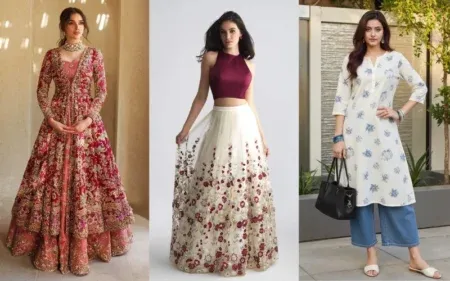
Festive clothing becomes easier when the wardrobe is planned before celebrations start arriving. abestoutfit.com gives readers another place to explore festive clothing ideas, outfit combinations, and practical styling information. Many people buy new clothes whenever an occasion appears, then later discover that several pieces are difficult to combine with anything else. A more useful wardrobe can include a few dependable garments that work across different celebrations. Color, fabric, fit, layering, accessories, and maintenance all matter when deciding whether an outfit will actually be worn again. Festive dressing does not always require a completely new appearance for every event. Sometimes better planning simply means using existing clothes in combinations that feel different enough.
Build A Reusable Festive Wardrobe
A reusable festive wardrobe can save both money and preparation time because individual garments can appear in several different combinations. A plain kurta can work with different trousers, scarves, jackets, or jewelry depending on the occasion. A simple festive skirt can also look different when paired with another top or outer layer. People should look at what they already own before buying something new for an upcoming celebration. This can reveal useful pieces that were forgotten after earlier events. Reusability becomes especially helpful when several celebrations happen within the same season. Instead of treating every event as a separate shopping project, people can gradually build clothing combinations that work in more than one situation.
Choose Fabrics For Comfort
Fabric can affect how an outfit feels after several hours of wearing, particularly during crowded celebrations or long family gatherings. Lightweight cotton, linen blends, soft silk, viscose, and other suitable materials can feel different depending on weather and garment construction. Heavier fabrics may work better during cooler conditions but can become uncomfortable when temperatures rise. Embellished clothing can also feel heavier than expected when decorations cover large sections of the garment. People should consider how the fabric feels while sitting, walking, eating, and moving normally. A beautiful outfit becomes less useful when the wearer spends the entire celebration adjusting uncomfortable material. Fabric choice should therefore be considered alongside appearance rather than treated as a minor detail.
Use Color More Thoughtfully
Color choices can make festive wardrobes easier to combine without requiring dozens of separate garments. People can choose a few colors that work naturally together and then add occasional brighter shades for specific celebrations. Neutral shades can provide useful support because they can work with several stronger colors. Deep green, maroon, navy, cream, gold, pastel shades, and other colors can create different combinations depending on personal preference and the occasion. Matching everything exactly is not necessary. Slight differences in tone can sometimes make an outfit look more natural than perfectly identical pieces. Looking at the complete wardrobe rather than one garment at a time can help people identify which colors are genuinely useful for repeated festive dressing.
Check The Fit Properly
Fit can change how comfortable and practical festive clothing feels, especially when garments contain embroidery, structured tailoring, or multiple layers. Clothes that are too tight may become uncomfortable during sitting or eating, while excessively loose pieces can require repeated adjustment throughout an event. People should check shoulder areas, sleeve length, waist placement, garment length, and general movement before deciding that an outfit is ready. Trying clothing while performing ordinary movements can reveal problems that are not visible while standing still. Tailoring can sometimes solve small fitting issues without replacing the entire garment. A well-fitted familiar outfit may also look more useful than a newer piece that never feels comfortable during actual wear.
Plan Around Existing Pieces
Before purchasing another festive garment, people can create several combinations from the clothing already available. A jacket may work with more than one kurta, while a scarf can change the appearance of a relatively simple outfit. Trousers, skirts, dupattas, shirts, footwear, and accessories can often be mixed in different ways when colors and proportions work together. Taking quick photographs of successful combinations can also make future preparation faster. This is particularly useful when celebrations are close together and there is little time to decide what to wear. Planning existing pieces in advance can reduce unnecessary shopping while still giving the wardrobe enough variety for different events.
Think About Clothing Maintenance
Festive clothing often includes delicate fabrics, embroidery, decorative elements, or special finishes that require more careful maintenance than everyday garments. Washing instructions should be checked before cleaning because some materials may require gentle washing or professional care. Storing heavily decorated clothing in unsuitable conditions can also affect its appearance over time. Garments should be completely dry before being placed into long-term storage because trapped moisture can create unwanted problems. Accessories should also be stored separately when they could snag or damage delicate fabric. Basic maintenance may not feel exciting while planning an outfit, but it becomes important when the same garment needs to look good again months later.
Avoid Unnecessary Shopping
Festive seasons can create pressure to purchase new clothes simply because another celebration appears on the calendar. New clothing can certainly be useful when an existing wardrobe no longer meets practical needs, but buying something for every occasion can quickly create unused pieces. Before shopping, people can check whether the upcoming event actually requires different clothing. They can also consider whether the new garment will work with at least a few existing pieces. This simple check can make purchases more deliberate. A wardrobe becomes easier to manage when new clothing adds useful combinations rather than simply increasing the number of garments hanging in storage.
Prepare Outfits In Advance
Last-minute outfit preparation can create unnecessary stress, especially when clothing needs ironing, minor alterations, cleaning, or matching accessories. Preparing the complete outfit a few days before the event provides enough time to notice missing or unsuitable pieces. Shoes can be checked for comfort, while bags and jewelry can be selected at the same time. People can also try sitting and walking in the full combination before the actual celebration. This can reveal issues that are easy to miss when clothing is chosen separately. Preparing early does not mean creating a complicated schedule. It simply gives enough time to fix small problems before they become inconvenient.
Reuse Clothes Without Repetition
Wearing the same garment again does not necessarily mean creating the exact same outfit again. A different scarf, jacket, hairstyle, footwear choice, or accessory can change the overall appearance considerably. Changing the way a garment is layered can also create another visual balance without buying anything new. People attending several family functions during the same period can use this approach to keep their wardrobe practical. Photographs from previous events can help identify which combinations have already been used. Reusing clothing becomes easier when people focus on complete styling rather than assuming that one garment always needs to look exactly the same.
Keep Personal Style Practical
Festive clothing should still reflect personal preferences because people are more likely to enjoy garments that feel natural to wear. Someone may prefer simple colors and minimal accessories, while another person may enjoy detailed embroidery and stronger visual elements. Neither approach requires copying current fashion trends exactly. Personal style can develop through repeated combinations that feel comfortable and appropriate for different celebrations. Practicality should remain part of that process because clothing needs to work during real activities, not only while standing for photographs. abestoutfit.com can provide additional festive outfit information for readers looking for practical styling inspiration. A useful wardrobe is one that combines personal style with clothing people can comfortably wear, maintain, and reuse.
Conclusion
Festive outfit planning becomes easier when wardrobes are built around comfort, reusable garments, suitable colors, proper fit, and realistic maintenance. People can create more combinations by working with existing clothing instead of buying something new for every celebration. Fabric choice, advance preparation, careful storage, and practical styling can also make outfits easier to wear for longer periods. Reusing clothing does not have to make festive dressing feel repetitive when accessories and combinations are changed thoughtfully. abestoutfit.com can provide further inspiration for readers exploring festive outfits and practical wardrobe planning. Good festive dressing is often less about owning more clothes and more about knowing how to use the clothes already available.
Read also :-