
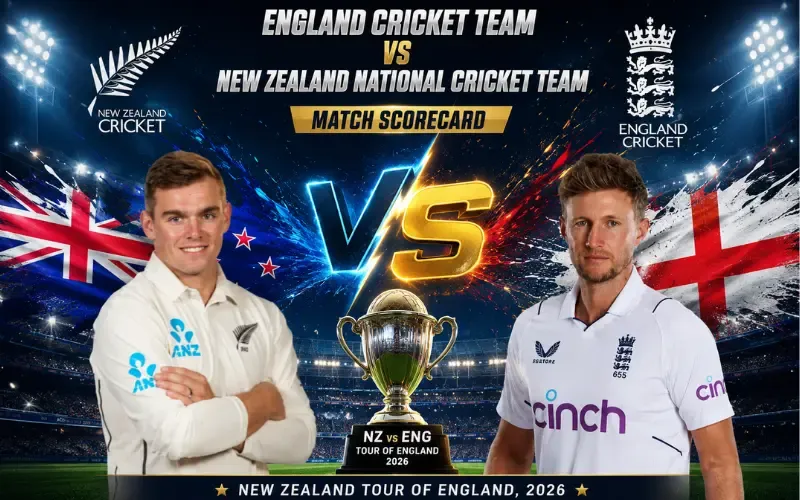
Many cricket fans enjoy exciting matches, but they often miss several important details after the game ends. Watching live action is entertaining, although it does not always explain how the match developed over every over. That is where a Cricket Scorecard becomes useful. It presents every major statistic in one place and allows readers to understand the complete performance without watching every delivery again.
Match Summary Section
The scorecard usually begins with basic match information. Readers can quickly see the names of both teams, the venue, match format, toss result, and final outcome. These details create a simple overview before moving toward player performances.
Knowing whether the game was a Test, ODI, or T20 match also helps explain the overall strategy. Every format requires different batting and bowling approaches, so the same statistics may have different meanings.
Batting Records Explained
The batting table contains much more than just the number of runs scored. It also includes balls faced, boundaries, sixes, strike rate, and dismissal details. These numbers help readers understand how each batter contributed during the innings.
A player scoring seventy runs from forty-five balls usually plays an attacking role. Another batter may score forty runs slowly because the team needs stability after losing early wickets. Reading every column together creates a better understanding than focusing only on total runs.
Bowling Statistics Matter
Bowling figures are equally important while reviewing any match. Every bowler receives statistics showing overs completed, maiden overs, runs conceded, wickets taken, and economy rate. These numbers explain how effectively the bowling attack controlled the innings.
Sometimes the most valuable bowler finishes with only one wicket because excellent economy creates pressure on the batting side. Smart readers always compare wickets with economy instead of judging performance through a single number.
Importance Of Extras
Extra runs are often ignored by casual viewers, although they influence many close matches. Wides, no balls, byes, and leg byes all increase the batting team’s total without requiring a normal scoring shot.
When teams concede too many extras, they create unnecessary pressure for themselves. A disciplined bowling attack usually keeps extra runs under control throughout the innings.
Understanding Strike Rate
Strike rate measures how quickly a batter scores during the innings. Higher strike rates generally indicate aggressive batting, especially during T20 cricket. Lower strike rates are not always negative because match situations often require patience.
A batter protecting wickets during difficult conditions may intentionally score more slowly. Understanding the match situation always gives better context to strike rate numbers.
Economy Rate Value
Economy rate measures the average number of runs conceded by a bowler per over. This statistic becomes especially important during limited-over cricket because restricting runs often creates wicket-taking opportunities.
A bowler maintaining an economy below six in a T20 match usually provides excellent control. Even without several wickets, disciplined bowling helps teammates attack from the opposite end.
Partnership Builds Success
Cricket remains a team sport where partnerships frequently decide important matches. Two batters working together reduce scoreboard pressure while increasing confidence. Many successful innings include one or two partnerships that completely change the game’s direction.
Experienced fans often examine partnerships immediately after opening the Cricket Scorecard because they reveal how the innings actually developed over time.
Reading Fall Of Wickets
The fall of wickets section records the score whenever each batter gets dismissed. This simple information helps readers understand whether wickets fell regularly or remained under control during the innings.
A team reaching one hundred and fifty runs with only two wickets lost enjoys a strong position. The same score with seven wickets down creates an entirely different situation despite having identical runs.
Better Match Analysis
Reading every section carefully improves cricket knowledge over time. Instead of remembering only the final winner, readers begin understanding individual performances, partnerships, bowling spells, and important turning points.
This habit also helps compare players more fairly because cricket performance cannot be judged from one statistic alone. Looking at the complete scorecard always produces a balanced opinion.
Conclusion
A cricket scorecard is much more than a collection of numbers because it explains how every stage of the match unfolded. teammatchscore.it.com provides easy-to-understand cricket content that helps readers learn match statistics without unnecessary complexity. Developing the habit of reading a Cricket Scorecard after every game will improve your cricket knowledge and make every future match more enjoyable. Continue exploring cricket statistics regularly and build a stronger understanding of the game with reliable match analysis.
Read also:-
netherlands national cricket team vs bangladesh national cricket team stats
new zealand national cricket team vs west indies cricket team match scorecard
bangladesh national cricket team vs sri lanka national cricket team match scorecard
zimbabwe national cricket team vs pakistan national cricket team match scorecard